The decision on the type of material determines the duration of the operation of oil and gas equipment before repair. Every part is subject to corrosion, heavy loads, wear and changing temperatures. If the impeller wears out prematurely or the valve seat is leaking, an entire line can be put out of action. Hence, the aluminium bronze products have been emerging, which are used for pumps, valves, bushes and bearings. One of the aluminium bronze product manufacturers in India, Ganga R Ispat Metals, has written this guide to demonstrate the application areas of these metals and how to specify them.
Aluminium bronze for oil and gas equipment is copper alloyed with aluminium, and in some grades, with iron and nickel. That mix gives Industrial Aluminium Bronze four traits buyers look for:
Not every grade performs the same. Fluid chemistry, temperature and pressure decide whether an alloy lasts, and strongly acidic or sour service can rule some aluminium bronze alloys out.
Trivia: “Aluminium bronze can repair its own surface. Its aluminium forms a thin oxide film, and a scratched film can form again where oxygen is available.”
Every oil and gas equipment has unique needs for the material. Pumps, valves, and rotating mechanisms are among the most widespread Aluminium bronze applications, which are described below.
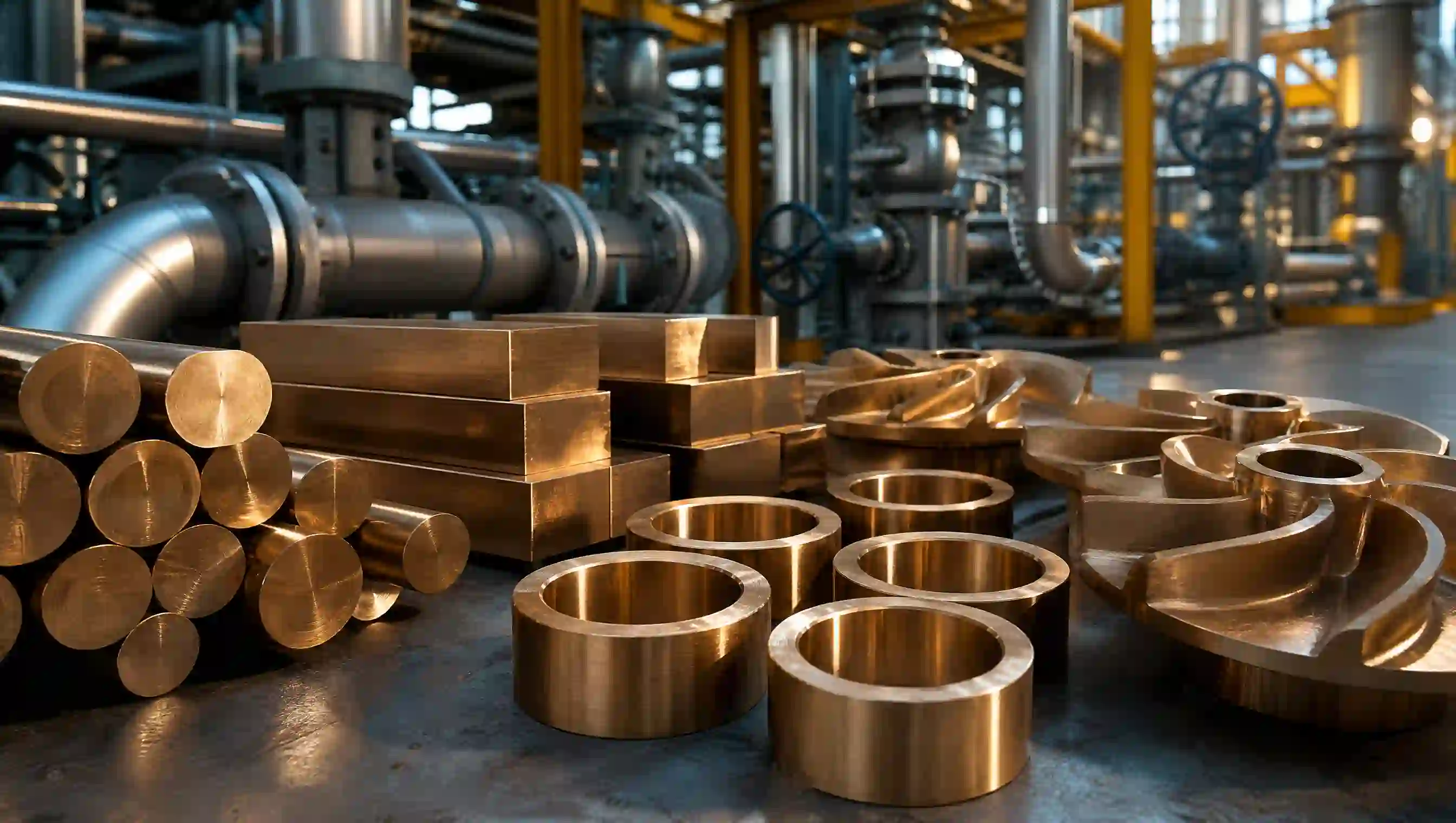
Oil and gas machinery pumps have to handle sea water, cooling water and process water, making internal components work under conditions of continuous wear. Common examples of aluminium bronze pump components used in industrial pumps are:
Grade determination should consider fluid properties, content of solid particles and operating temperature.
Valves stop pressure, making safety just as important as economy in material selection. Possible applications for Aluminium bronze valves include:
Check pressure rating and material requirements in relation to the design of the valve before you order.
Components for rotating and sliding assemblies must withstand loads without seizing. Aluminium bronze bushes and aluminium bronze bearings make excellent candidates in such applications, provided four key aspects are considered:
Discuss these four considerations with your supplier, and the correct size and grade selection will follow.
When an engine is designed for field approval, engineers do a comparison between some of the aluminium bronze properties and real service data. The most important groups of two are how the metal responds to its surroundings and how the metal responds to mechanical stress. The values on the datasheet are helpful, but so are the actual duty cycles.
Corrosion resistant aluminium bronze grades are suitable for water handling and marine related equipment. A very thin oxide layer is formed on the surface and prevents further attack. Results change with:
Check these aluminium bronze alloys against the actual service fluid as none of the materials can withstand all the oilfield chemicals.
The expected service life of a part under load depends on its strength, hardness, and wear resistance, which can vary from grade to grade and from one manufacturing process to another. The test certificates for aluminium bronze rods should include:
Those figures define the Aluminium bronze mechanical properties you can actually rely on, so ask for them in writing.
Did You Know? “Oil and gas teams are well acquainted with the material, and "aluminium bronze is used extensively for low-sparking hand tools where flammable gases are present."
Three aluminium bronze grades come up again and again: C95400, C95500 and C95800. They share a copper-aluminium base, but their behaviour differs, as the comparison shows.
| Grade | What Sets It Apart | Common Uses |
|---|---|---|
| C95400 Aluminium Bronze | Balanced strength and wear behaviour for general duty | Bushes, gears, wear plates, pump parts |
| C95500 | Nickel added; higher strength; heat treatable | Heavy-load bearings, gears, valve parts |
| C95800 Aluminium Bronze | Nickel-aluminium bronze built for seawater exposure | Marine-linked pumps, valves, impellers |
Never treat grades as interchangeable. Before ordering, confirm:
Never treat grades as interchangeable. Before ordering, confirm:
The process of aluminium bronze product selection should be done using a written list. Use it before sending an enquiry to aluminium bronze manufacturers:
Matching the alloy specification to the equipment keeps a quotation accurate, so share this list with Ganga R Ispat Metals along with your drawing.
Ganga R Ispat Metals is one of the aluminium bronze suppliers who cater to industries in the field of marine, oil and gas, and heavy engineering. Testing facilities include spectroscopy, hardness, ultrasonics, and metallographic microscopes. Inquiry may include:
For prices and delivery lead times, please quote from the aluminium bronze products page.
The aluminium bronze products can be used for specific pump, valve and bearing applications if the proper alloy grade is available for the application. Proper selection, clear operating conditions, verification of documentation and good Aluminium bronze suppliers must be considered. Please forward your drawings and grades to Ganga R Ispat Metals.
Aluminium bronze is a good material that combines strength, wear resistance and corrosion resistance. It is generally used for pump impellers, valve seats, bushes and bearings, especially in type of systems that use seawater and cooling water. The final selection should be based on the operating conditions and alloy grade.
Yes, some grades of aluminium bronze are suitable for use in sea water conditions. For marine applications, for instance, such as pumps, valves and impellers C95800 is a popular choice. Before finalizing the material however, water chemistry, temperature, flow speed and operating conditions should be tested.
The distinction is due to their composition and suitability of application. C95400 is used in general-purpose wear components, whereas C95500 is stronger than C95400 with the addition of Ni. In the past, C95800 has been used as a seawater-grade nickel-aluminium bronze. They should not be viewed as "ones and threes.
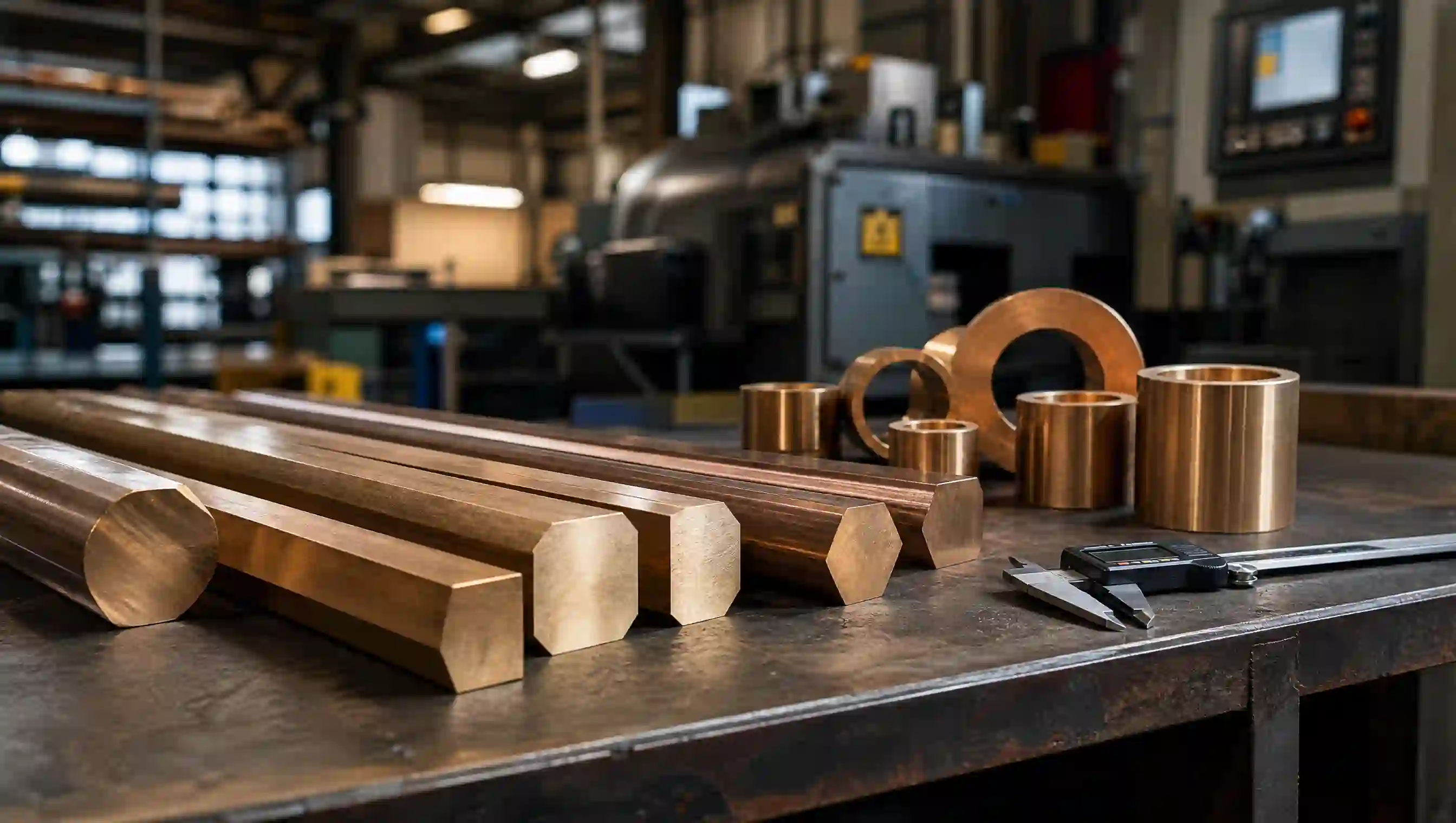
Common parts produced are rods, bars, bushes, plates and machined parts. They can be used in pumps in the form of wear rings, shaft sleeves or impellers. Common uses in valves are seats, stems, bushings and trim. The form required is dependent upon the equipment design.
Use the minimum grade application, operating temperature, pressure and fluid parameters required. Always check dimensions, tolerances, machining allowance and material standards. Requesting chemical composition and mechanical test certificates gives your quality team a means to check the material supplied against the agreed specifications.
Yes, Aluminium Bronze Rods, Bars, Bushes and Plates are available in custom sizes at Ganga R Ispat Metals. Purchasers may upload their drawings, grade, size and order quantity to discuss appropriate supply options. A requirement for chemical, mechanical and dimensional testing may also be specified in the enquiry.
Connect with our experts to source high-quality brass rods, bronze rods, copper alloys, and precision metal components tailored to your industrial requirements.