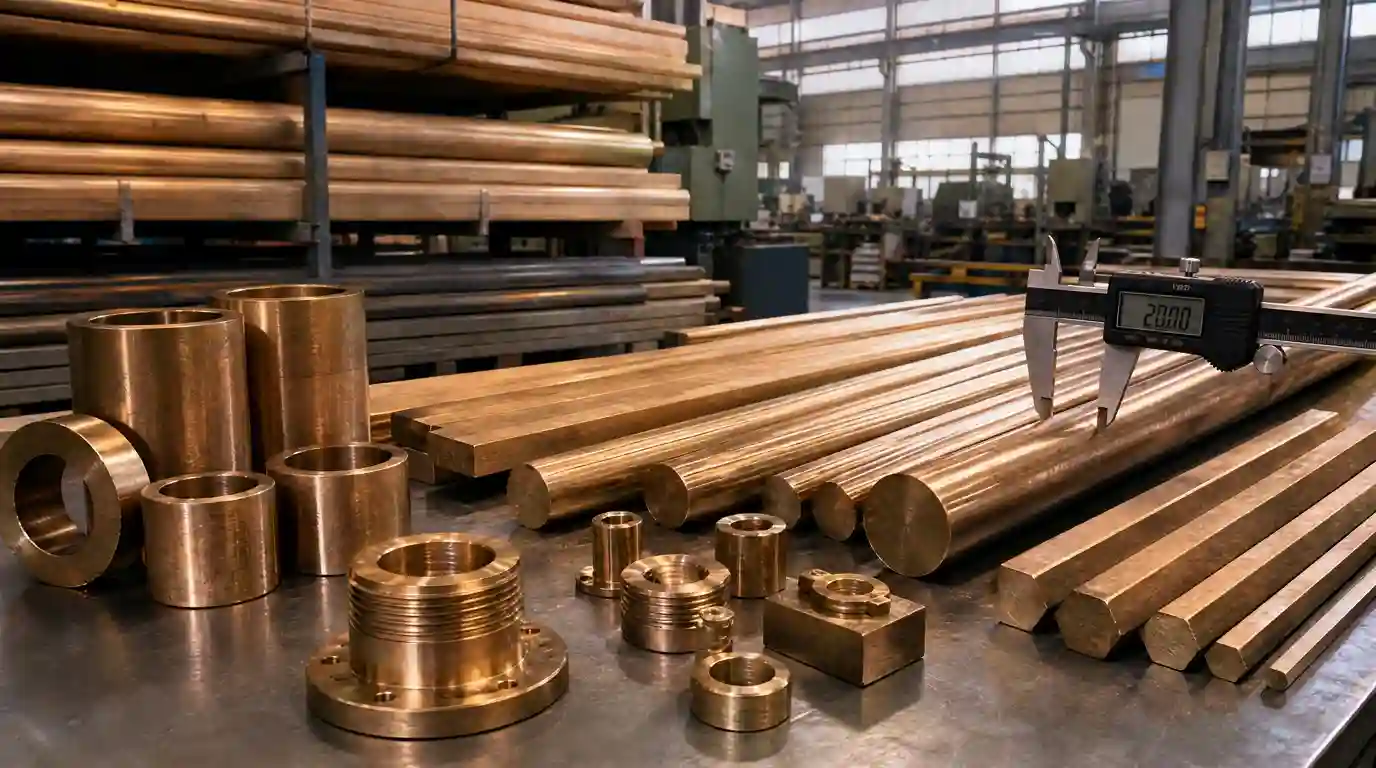
Bronze bars are usually not noticed until a bush expands or a bearing wears out prematurely. The real cost of the bar isn't there by then. It is the downtime. Bronze bars are used in parts that carry loads, but are subject to friction and are used for years. Heavy duty bronze bars that are acquired based on the price are generally more expensive in the long run.
A good starting point is the action of the part: load/ speed/ lubrication/ environment. The same applies when purchasing for a shipyard, mine or power plant. You'll learn how to do it in this step-by-step guide, so your next purchase will be based on the application, not guesswork.
Before comparing alloys, record the way the component is going to be used. These conditions cut down your choices even more than a catalogue.
The harder the alloy the more resistant to shock the part. If one dries out, it requires something different than one in an oil bath. Hence, Industrial Bronze Bars are available in several grades and no single grade will be suitable for every job. Even for the wear-resistant bronze bars there is a limit of load and lubrication within which they work well.
The picture is also different at different temperatures. Some alloys soften and lubricants thin out because of the heat generated at a contact. A normal wear rate can become a rapid wear rate if there is dust and slurry involved. Communicate these to your supplier in advance. Saves rework in the future.
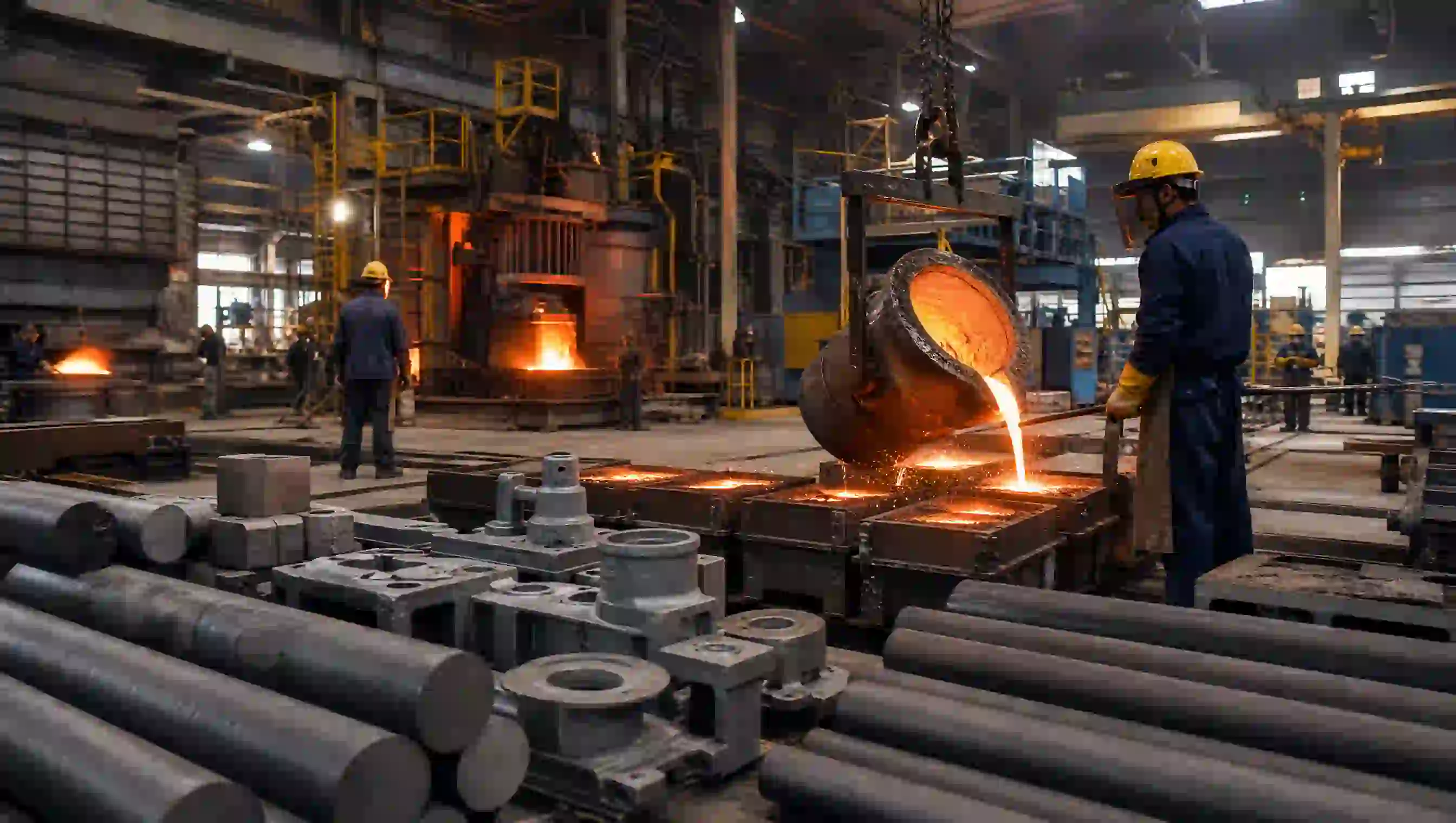
Bronze is not a single material but a family! The base is copper and the component determines the characteristics of the alloy. The selection of bronze alloy grades is to be done according to the equipment drawing or OEM specification. Many of the early failures start at substituting a grade that is available. Every family has its assets and liabilities. Let's hear it straight from them.
Tin bronze bars are often used for bushes, sleeves, gears and bearing parts. The alloy has good wear behaviour due to the presence of tin, and decent strength. There are also many grades that contain lead or zinc for better machining and sliding properties. Proper lubrication and moderate to high loads are optimum conditions for them. If in extreme shock or if running dry, inspect the grade limits first. Do not fall for the trade name, always use the grade standard.
The effect of adding phosphorus to tin bronze by Phosphor Bronze Bars is therefore to increase the hardness and fatigue resistance. These are therefore suitable for worm wheels, gears, thrust washers and parts subjected to repeated stress. Not one alloy is phosphor bronze. The strength and tin content of the grade is not uniform, so verify the properties required, not the name. Ask about the bar that it is using.
Aluminium bronze bars have high strength and anti-corrosion properties. Selected grades are suitable for heavy loads, valve components, guides and parts that have to withstand seawater or aggressive media. These are more difficult to cut, requiring specific tooling. They are also more effective when used on hardened mating surfaces. Make sure you double-check the grade before you invest, and the environment as well.
The reason for this is that bronze bars are rarely sold in their natural state. They are used for bushes, sleeves, wear rings and bearing parts. This is the point at which the decision is the most important.
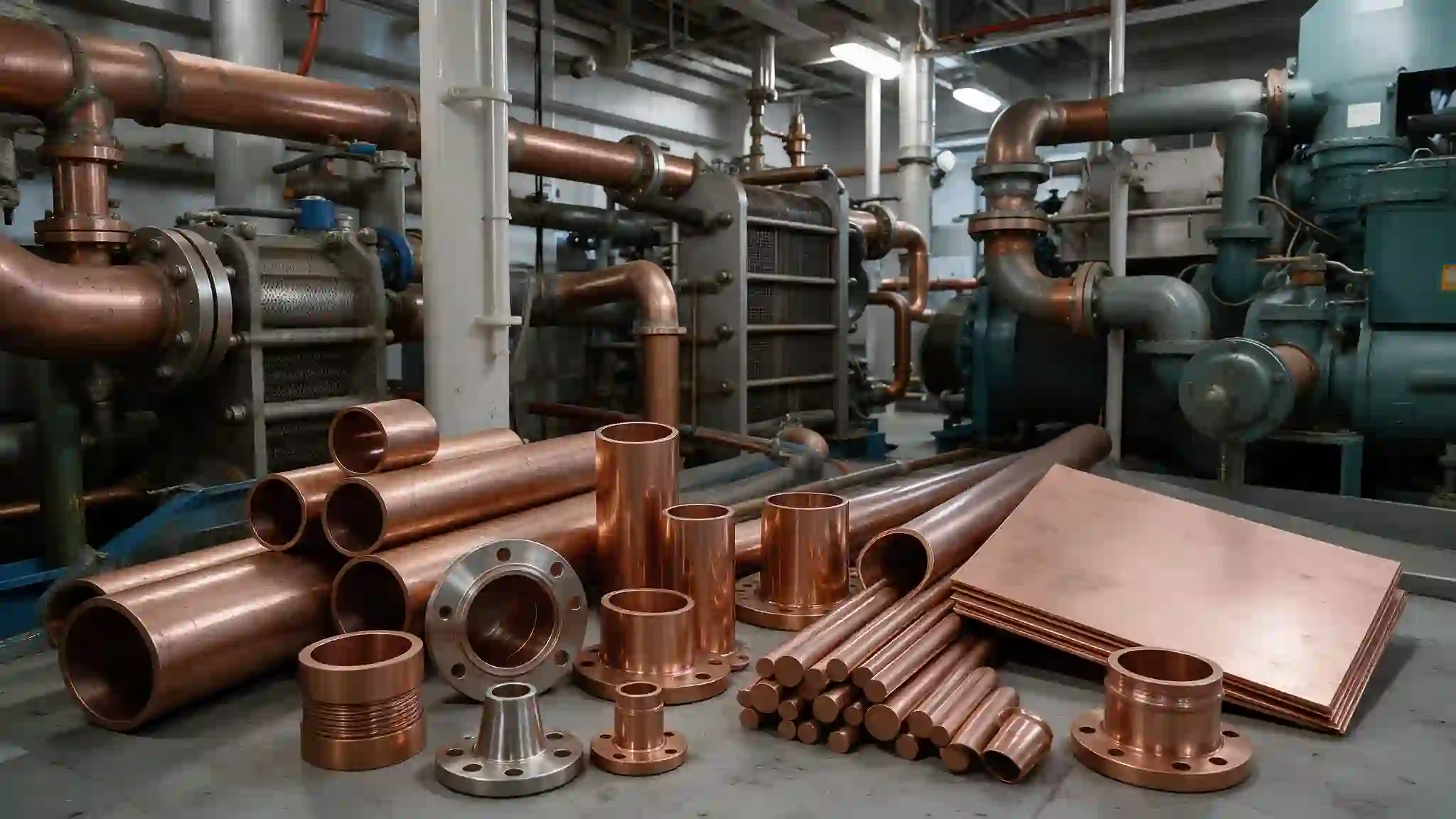
Typical uses for bronze bars for power plant equipment include bushes, bearing parts, guide sleeves and wear parts in pumps, valves and rotating machinery. They are located in places where they are difficult to access. Plants schedule shutdowns carefully and a component that fails early can wreak havoc on the maintenance programme.
Chemical stability and clean machining are more important than a low per-piece cost. Request uniformity in repeat production making sure that spares are identical to the originals.
Mining equipment is subjected to shock load, dust and slurry. Bronze bars for mining machinery are machined into wear plates, bushes and bearing components for crushers, conveyors and loaders. Contamination breaks down lubrication films quickly.
This is why, for this sector, only heavy-duty bronze bars with a proven grade have to be used that have a sound, defect-free bar structure. There is a need to consider both hardness and impact strength. Always grade to the actual load.
Numerous metals are subject to attack by seawater. Alloys that are resistant to it are used for pumps, propeller-related parts, valve components and deck fittings. That's why buyers looking for marine grade bronze bars India should opt for corrosion data and not appearance.
Depending on the part, either aluminium bronze or some of the tin bronze grades are used. The mating material is also important to consider because galvanic effects can accelerate corrosion. Please inquire about the grade standard prior to ordering.
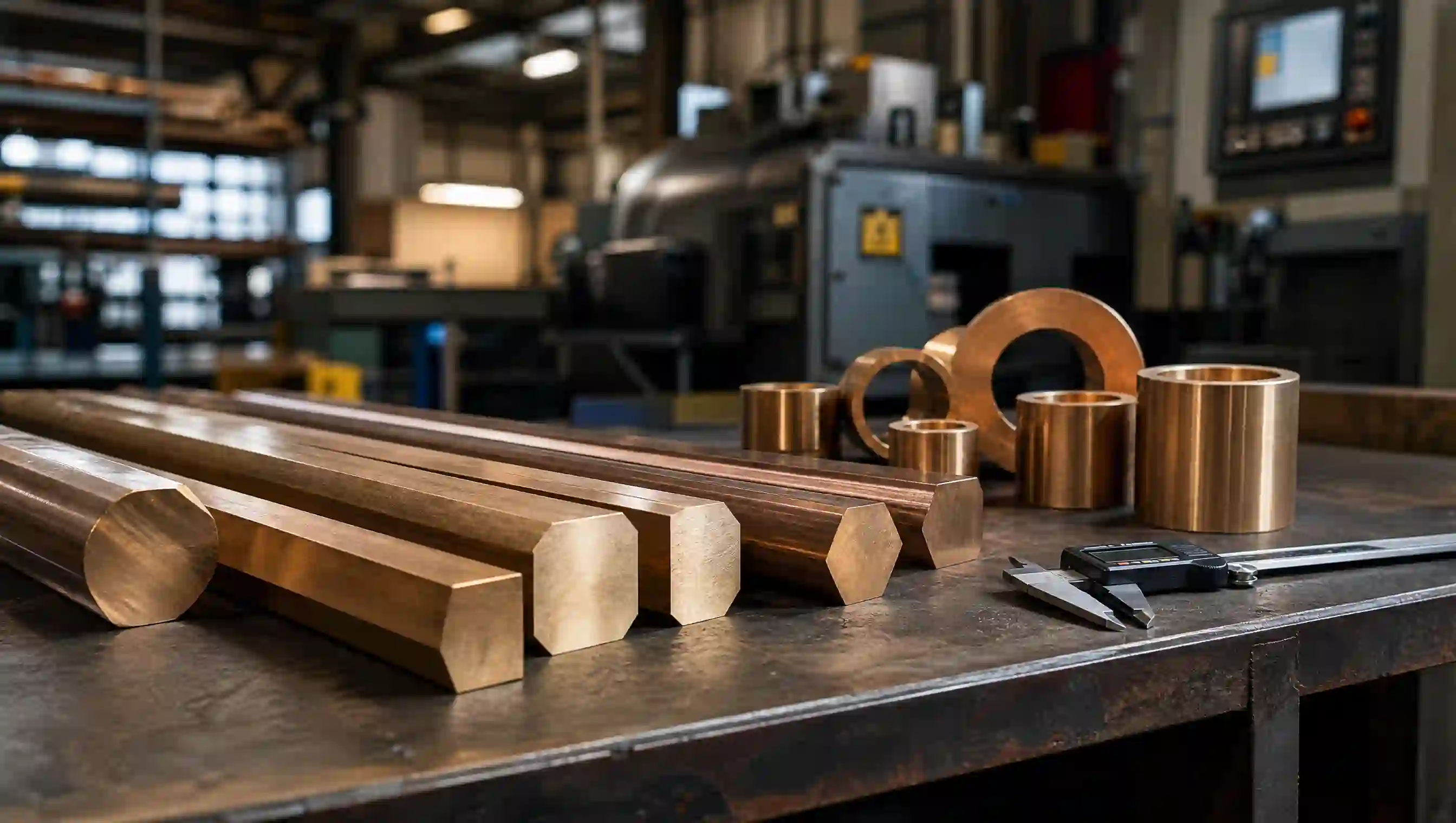
A grade bar that is not the proper size is wasting money. As material is removed during machining, the stock should be large enough to allow for 20% of this removal. Before making your order into bronze bars, please check these points with your drawing:
Include the drawing and not just the size. A supplier that is aware of the finished part can make an offer of a more suitable stock size and reduce the waste. Machining allowance varies depending on diam and surface finish, so please double check with your machinist. This is important when you're making lots of machines.
The more you buy in bulk, the larger your error. After the machining is done, it is costly to discover the wrong batch. Don't take Bronze Bars Suppliers on their word, ask for proof. A good supplier will provide these promptly:
Spot check on your own on arrival. Compare purchase order to match markings, dimensions and certificate information. Keep the records. They assist if a part breaks down and it is necessary to figure out why.
There are plenty of companies that claim to be Bronze Bars Manufacturers In India. It only takes a few straightforward questions to weed out the reliable ones.
Ganga R Ispat Metals is an appropriate name to include in your short list since they deal with Copper-based products like brass, bronze and gunmetal. Ask the same five questions to Ganga R Ispat Metals and to each of the other suppliers. Don't compare the answers — compare the answers on paper.
There is no one correct grade. Heavy loads can be dealt with by using aluminium bronze and some phosphor or tin bronze grades. The best option will depend on the pressure, speed, lubrication and equipment specification.
Not always. Typically, phosphor bronze has superior hardness and fatigue resistance. Sliding parts that are well lubricated can be made of tin bronze. Don't compare grade properties to the job's name only.
Aluminium bronzes and tin bronzes have been selected to meet the requirements for seawater resistance. Again the actual grade, flow conditions and part design will influence performance. Ensure that the standard is confirmed with your supplier before ordering marine components
Request a test certificate including chemical composition, mechanical properties if applicable and a batch number. A dimensional report is helpful for machined parts. If a problem occurs later on, these records help to trace back.
There are a lot of suppliers that cut bars to your size. Discuss drawing/machining allowance as early as possible. This will minimize waste, ensure machine time is not wasted and is cost predictable for repeat bulk orders.
It is related to the diameter, surface condition and part tolerance. Larger bars will require more allowance. Check the same with your machinist and supplier prior to ordering.
There are a couple of steps to good selection. Understand the operating conditions, ensure the alloy grade is appropriate for the specification, check sizes and machining requirements, and check quality prior to bulk orders. Then bronze bars will last for years, not months. Try the bronze bar products from Ganga R Ispat Metals for a reliable range and share your drawing and grade requirement. The entire job becomes easier with the right bronze bars suppliers. Get a quote today.
|
In need of some Bronze Bars for your next big project? Contact Ganga R Ispat Metals for a quote of your grade, size and quantity. |
Connect with our experts to source high-quality brass rods, bronze rods, copper alloys, and precision metal components tailored to your industrial requirements.