In industrial environments, brass bars are tough, corrosion-resistant and built to last. They can be found from pump internals to precision fittings. This blog demystifies the actual production of brass bars, from melting and casting through to extrusion and finishing, and the rigorous standards that make a difference between solid stock and scrap metal.
If you're sourcing brass bars for pumps or heavy-duty applications, here's the low down before you place that order.
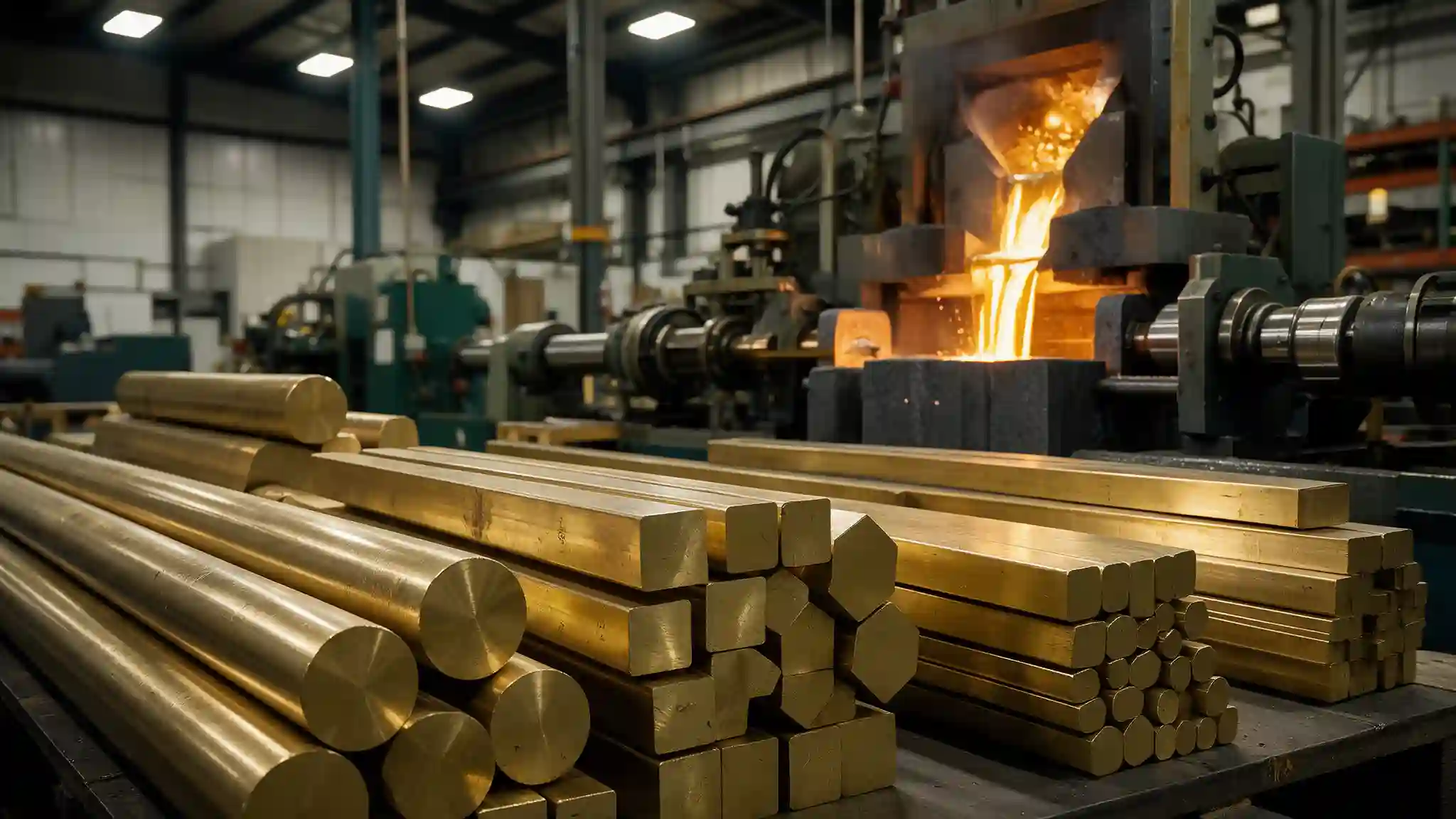
It all starts with copper and zinc, mixed with certain alloys that are specified to make up the composition of the specimens. After being melted it is cast in billets, which are the initial material from which brass bars are made. After it is melted, the mixture is poured into billets, which serve as the initial material in brass bars production.
This flow stays tightly controlled from the first melt to the final bar, keeping production of brass bars consistent, batch after batch, without cutting corners on quality.
The process starts with the selection of raw materials, including the selection of copper and zinc of proper alloy grade. Then the brass bars production process continues with melting, casting, extrusion, and drawing. The renowned Brass Bars Manufacturers straighten, cut and thoroughly check each bar to guarantee the dimensional and quality requirements are fulfilled.
The important factor is the right amount of copper to zinc. The exact composition will vary depending on the desired brass grade and the required properties — strength, machinability or corrosion resistance. This selection process is important for a consistent brass bars manufacturing as whenever there are any differences in the quality of input metal the entire manufacturing of brass bars production is affected subsequently..
Copper and zinc are then fed into the controlled furnaces where the quantity and duration of the charge are as important as the actual material. The alloy is kept on spec, batch after batch, by regular chemical composition checks during the melting process. This is where brass bars manufacturers with trust can make it big — composition control is a must for consistent production of brass bars in large quantities.
When the composition is correct, the molten mixture is poured into billets, or solid, cylindrical blocks against which the rest of the work will be performed. This is an important intermediate form, because this is what allows for further shaping. Every stage of brass bar production downstream depends on how clean and uniform these initial brass bars turn out.
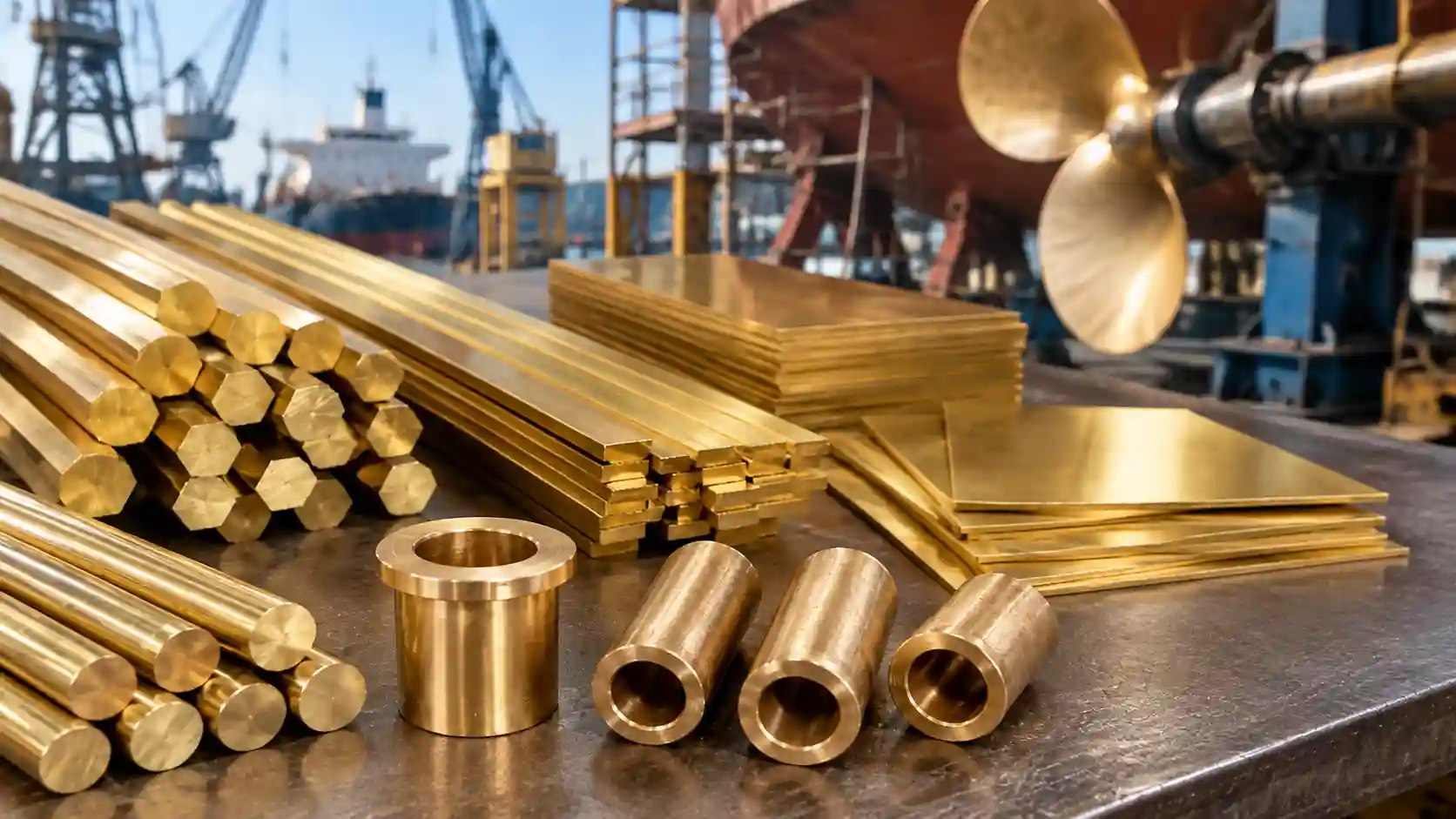
Billets are pushed through dies under heavy pressure, and they are formed into the actual profile the buyer desires, which can be round, square, hexagonal, rectangular or flat brass bars. This is where crude material gets into its required form and how precise are dimensions mainly depends on dies' exact specifications, especially on control of the extruded material for not damaging final dimensions during extrusion, as it is a technically demanding stage of brass bar manufacturing process.
Brass bars will then be drawn to attain its perfect dimensional finish & finer surface quality. Straightening will bring any bowed material into perfectly straight form, while finishing techniques will eliminate surface blemishes. This final stage of brass bars production is what most brass bars suppliers rely on to guarantee spec-accurate, ready-to-ship stock.
It is not just about quality control — it is what makes the difference between trustworthy Brass Bars Manufacturers In India and the rest, particularly when OEMs require batch-to-batch reliability for which they can have confidence.
These are checks that reliable brass bars suppliers in India know about and it is important that they are performed and done at regular intervals as it would lead to costly failures downstream.
The key to obtaining the right quote is having the precise specs. Before reaching out to trusted Brass Bars Suppliers In India, procurement staff need to clearly define their needs with the supplier, thereby avoiding further rounds of negotiations and speeding up the procurement process. which can help to avoid any back-and-forth and expedite the process.
Select the grade of alloy best suited to your application and then profile — round, square, hex or flat brass bars. All diameter, tolerance and length specifications are to be included to ensure that the brass bars suppliers are able to quote with no guesswork.
Order size impacts pricing & lead times, so please provide quantities as early as possible. Also identify any inspection requirements, material or test certificates necessary and customer specific specifications at the outset. When there is clarity in the beginning, the requests are managed by the established brass bars manufacturers and brass bars suppliers in India.
The truth about it is that anybody can say that they can make good brass bars, but the reality is in your production line and not in their sales presentation. Therefore, prior to signing off on a brass bars manufacturers shortlist, delve into these:
The check list is slightly different when you're in town or importing from a different country. Brass bars export buyers should always check the packaging standards, proper labelling, and documentation for shipments before ordering — there's not a lot of margin for error when it comes to customs.
In the case of domestic brass bars suppliers, they are assessed more by their delivery speed and supplying regularity in bulk order. It is always advisable for brass bars importers to ensure that the paperwork regarding compliance is provided beforehand, so as to prevent any inconveniences at the port.
Ganga R Ispat Metals takes both aspects seriously, without giving one another the cold shoulder. Ganga R Ispat Metals provides the same level of quality checks and packaging care to every order, regardless of where it goes, whether it's headed across the city or across the border.
In the end, brass-bar quality is a combination of two factors: strict quality control during production and choosing the right supplier. The selection and production of alloys, through to the final inspection and delivery, all influence the performance of the brass bars in the job. Ganga R Ispat Metals combines both and is backed by consistent processes which are renowned among the reputable brass bars manufacturers in India.
|
Looking to source bars, and they really do meet spec? Explore our Brass Bars range and Get In Touch With Ganga R Ispat Metals for your next order. |
Brass bars go through melting copper and zinc, casting into billets, then extrusion and drawing. Final steps include straightening, cutting, and quality inspection — completing the production of brass bars process.
Confirm the required grade, dimensions, and tolerances upfront. Ask about testing protocols, certification availability, order quantity flexibility, and overall capabilities of your brass bars suppliers before committing.
Look for in-house manufacturing capability, strict quality controls, and customization options. Reliable brass bars manufacturers in India also provide proper documentation and consistent supply without last-minute surprises.
Bars and rods are often used interchangeably, but bars usually refer to non-round profiles like square, hex, or flat sections, while rods typically mean round cross-sections.
Yes, alloy composition and dimensions can be adjusted based on application needs — whether it's plumbing, electrical fittings, or precision machined components requiring specific grades.
Brass bars are widely used in pump manufacturing, valve production, electrical connectors, and precision engineering, thanks to their corrosion resistance and machinability.
Connect with our experts to source high-quality brass rods, bronze rods, copper alloys, and precision metal components tailored to your industrial requirements.