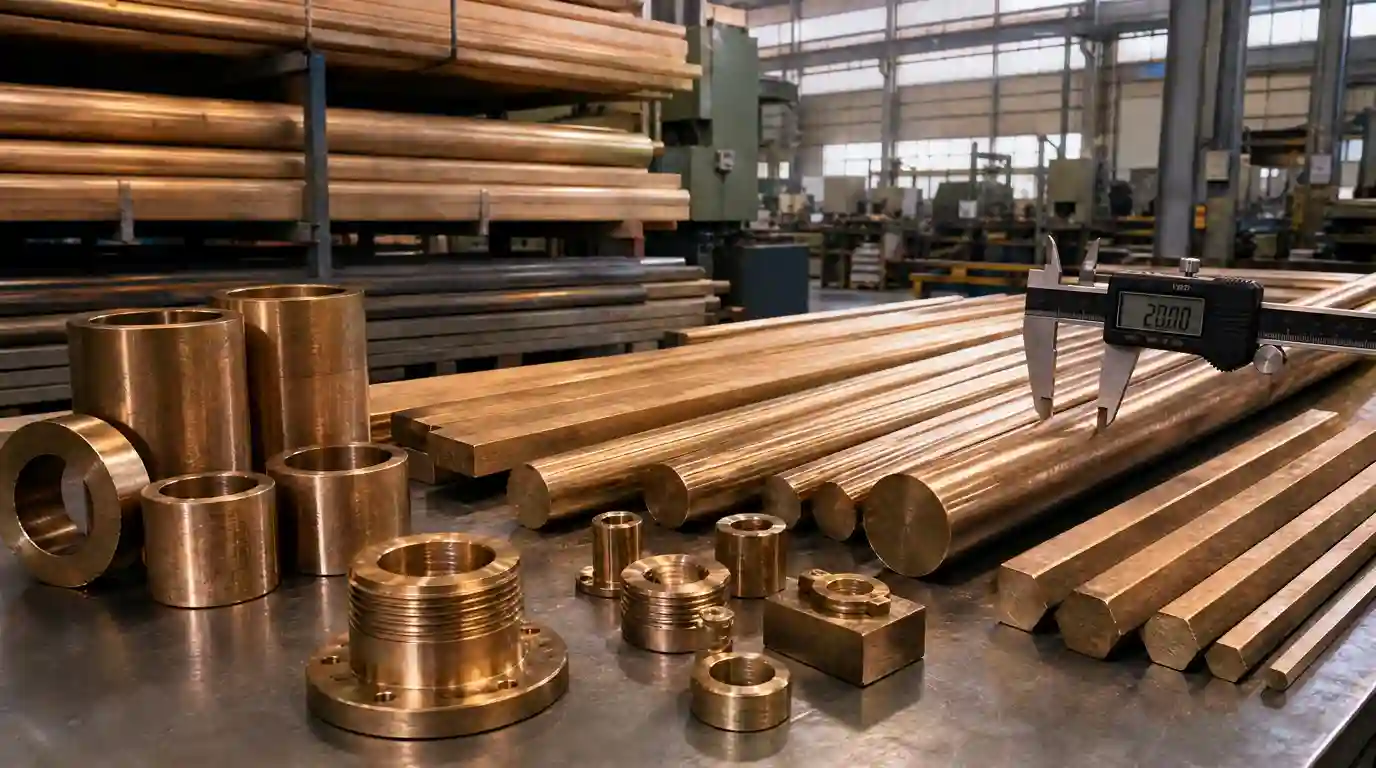
Ever thought why heavy machinery doesn't grind its parts to dust? Now here's to copper bushes — the silent sentinels located between the moving parts and the contact. They're meant to deal with friction and wear and keep your equipment from giving up on the job!
Industrial copper bushes are the low-key MVPs of mechanical longevity ranging from pumps to industrial engines. From the perspective of the manufacturing or engineering sector, knowledge of these components is not just a favorite thing to learn, it's a necessity for maintaining efficient, long-lasting and downtime-free machinery.
Imagine a shaft rotating inside a housing for hours, days, weeks, months and years. If they didn't have anything in between, it would just be too much metal rubbing metal — and nobody wants that headache in their machinery budgets. This is where a copper bush is relevant, it fits between the two surfaces but never touches them.
Here's the fun part, the copper is naturally good at accommodating heat and minimizing drag so the more the shaft moves, the more the copper bushing absorbs friction—your equipment does not have to do so. Less resistance, less heat generated, much less wear.
With the position just right, Copper Bushes become the unsung heroes of your machine, softening the blow of movement, managing vibrations, and bestowing a new lease on life for your equipment.
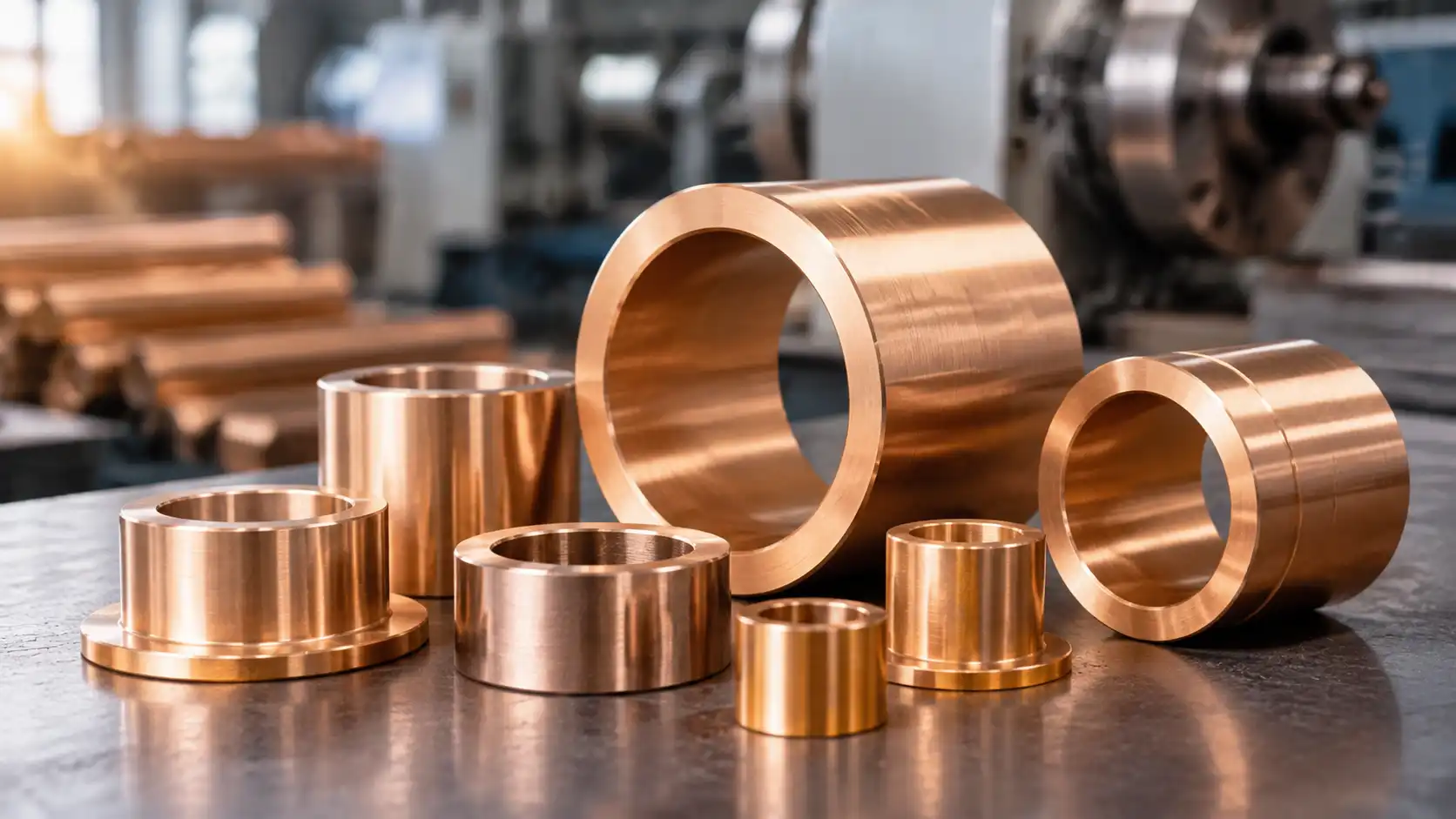
Different jobs require different bushes. There are different types of copper bushes, based on their shape, load, and how the bush moves, and selecting the wrong type can result in additional downtime, not reduced. The choice of copper bush type is dependent on your machine's needs.
The most simple of all, a plain cylindrical sleeve, no bells or whistles. Simple rotation is provided by plain copper bushes and are ideal for general purpose machines such as pumps, motors, conveyors etc. Reliable, trouble free and quite a bit kind, after all, of daily copper bushings.
If you add a flange to that cylinder, you've got some extra support. The flanged copper bushes have a projecting rim to facilitate axial positioning to prevent any lateral movement from occurring. They are the ones to use when gearboxes and more demanding load setups are required for added stability along the shaft's length.
These fill the voids between regular machine lubrication sessions for some machinery. Self-lubricating copper bushes have reservoirs of oil embedded in the bush that are released over time as the bush is used. Oil impregnated bushes absorb oil into their porous texture and reduce the amount of maintenance that needs to be performed manually, allowing continuous movement to be maintained without constant babysitting.
Trivia: “Copper has been used by humans for over 10,000 years, making it one of the oldest metals ever worked — and it's still one of the best conductors of heat in modern engineering. “
The thing about Copper Bush Material is it's not flashy, but it's a material that ticks all the boxes that really matter on the shop floor.
We're all human beings here — no one likes unexpected downtime or unexpected fees for repairs. That's why the benefits of copper bushes are even more important than they receive credit for.
Trivia: “A single copper bush can outlast several cheaper alternatives combined — copper's self-lubricating properties mean less friction build-up even without constant maintenance.”
The good news is those handy properties don't just work on paper; they work in a number of industries. Copper bushes applications always come to the fore where friction has to be controlled, making Industrial Copper Bushes a truly versatile choice.
Inside the engine, it's a busy place, and copper bushes for automotive are just for that. They are found in engines, transmission and suspension assemblies, and they're working hard to combat friction, which makes moving parts last mile after mile.
With the use of big equipment, so are bigger loads, and that is where the copper bushes for machinery really come in handy. Whether it's construction equipment or pumps and compressors, heavy-duty, load-bearing assemblies that cannot afford to slow or stall mid-operation are all prevented and supported by industrial copper bushes.
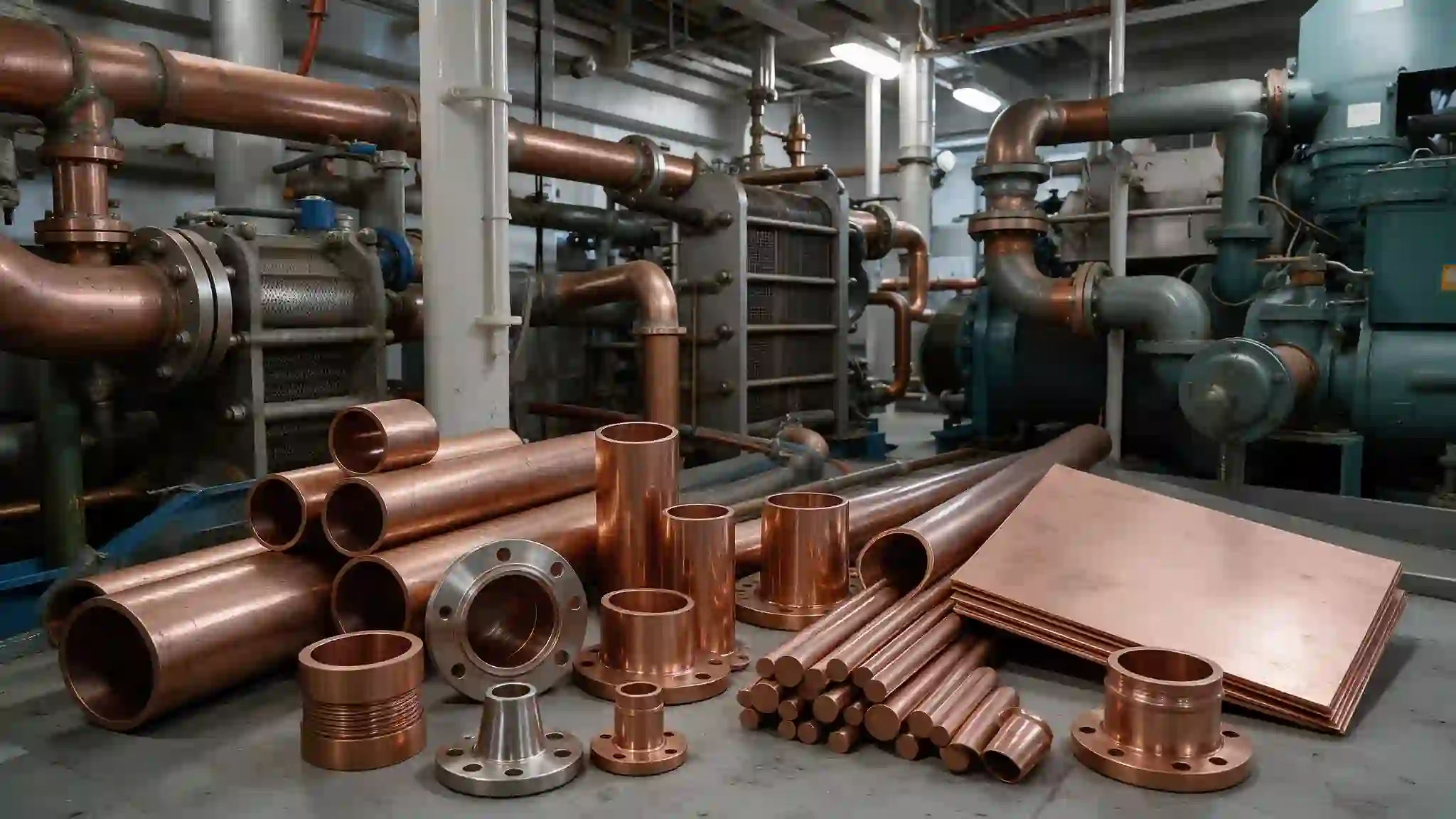
Not all setups have to be one with only friction; some even have moisture, current, or tight tolerances added in, and that's where Copper Alloy Bushes really pay-off. Their high conductivity makes them convenient in electrical applications and their resistance to corrosion certainly does not lead to a rusty failure in marine applications. These copper bushes applications continue to pop up wherever reliability matters, and add to that precision engineering work.
If a single lot is substandard, a whole line of production could be compromised — so don't skimp on quality control. Let's see what we should be looking for when searching for Copper Bushes Manufacturers in India:
At the end of the day, solid Copper Bushes Suppliers In India should feel just as reliable on order 100 as they were on order one — which is the bar Ganga R Ispat Metals actually holds itself to.
Trivia: “Copper is 100% recyclable without any loss in performance or quality — meaning today's copper bush could technically be tomorrow's electrical wire, and no one would ever know the difference.”
A copper bush reduces friction between a shaft and its housing, preventing direct metal contact. It protects both components from wear, keeping machinery running smoothly for longer.
Lifespan depends on load, speed, and lubrication, but quality copper bushes typically outlast many alternatives thanks to their durability and resistance to wear under continuous use.
A bush is a simple sleeve reducing friction through sliding contact, while a bearing often uses rolling elements like balls or rollers to handle rotational movement more efficiently.
It depends on the application. Copper offers excellent thermal conductivity, while bronze alloys often add extra strength and wear resistance, making the choice application-specific.
Standard bushes usually need periodic lubrication, but self-lubricating or oil-impregnated versions reduce this requirement significantly, making them ideal for hard-to-access machinery components.
Yes, buyers can choose from various copper alloy grades based on strength, conductivity, and corrosion resistance needs, allowing the bush to match specific load and environment requirements.
As it turns out, choosing the correct copper bushes involves more than simply selecting a random available product — it's about ensuring that you're using the right material, design and specs for your specific operating environment. If you get this right, you'll have reduced downtime and longer lifespan machinery overall.
|
Looking for reliable Copper Bushes Manufacturers in India? Ganga R Ispat Metals delivers precision-engineered copper bushes tailored to your industrial specifications. Contact Us Now for customised solutions and bulk orders. |
Connect with our experts to source high-quality brass rods, bronze rods, copper alloys, and precision metal components tailored to your industrial requirements.