Picking the wrong alloy isn't cheap. Not in money, not in downtime. A component that looks fine on the shelf can fail in eighteen months if it's fighting saltwater or heavy load it was never built for. Two names keep showing up in bushings, bearings, valve bodies, marine hardware: Gun Metal Rods and Aluminium Bronze Rods. Both copper-based. Both handle corrosion reasonably well. But swap one for the other without checking the job first, and that's usually where trouble starts.
“Bronze family” doesn't mean identical performance. A few percentage points of alloying content, and suddenly the rod behaves completely differently under heat, friction, repeated stress. Sounds small on a spec sheet. Doesn't feel small when a part fails mid-project. This guide walks through composition, strength, wear behaviour, and where each one actually belongs. No fluff, just what a buyer or engineer needs before signing the purchase order.
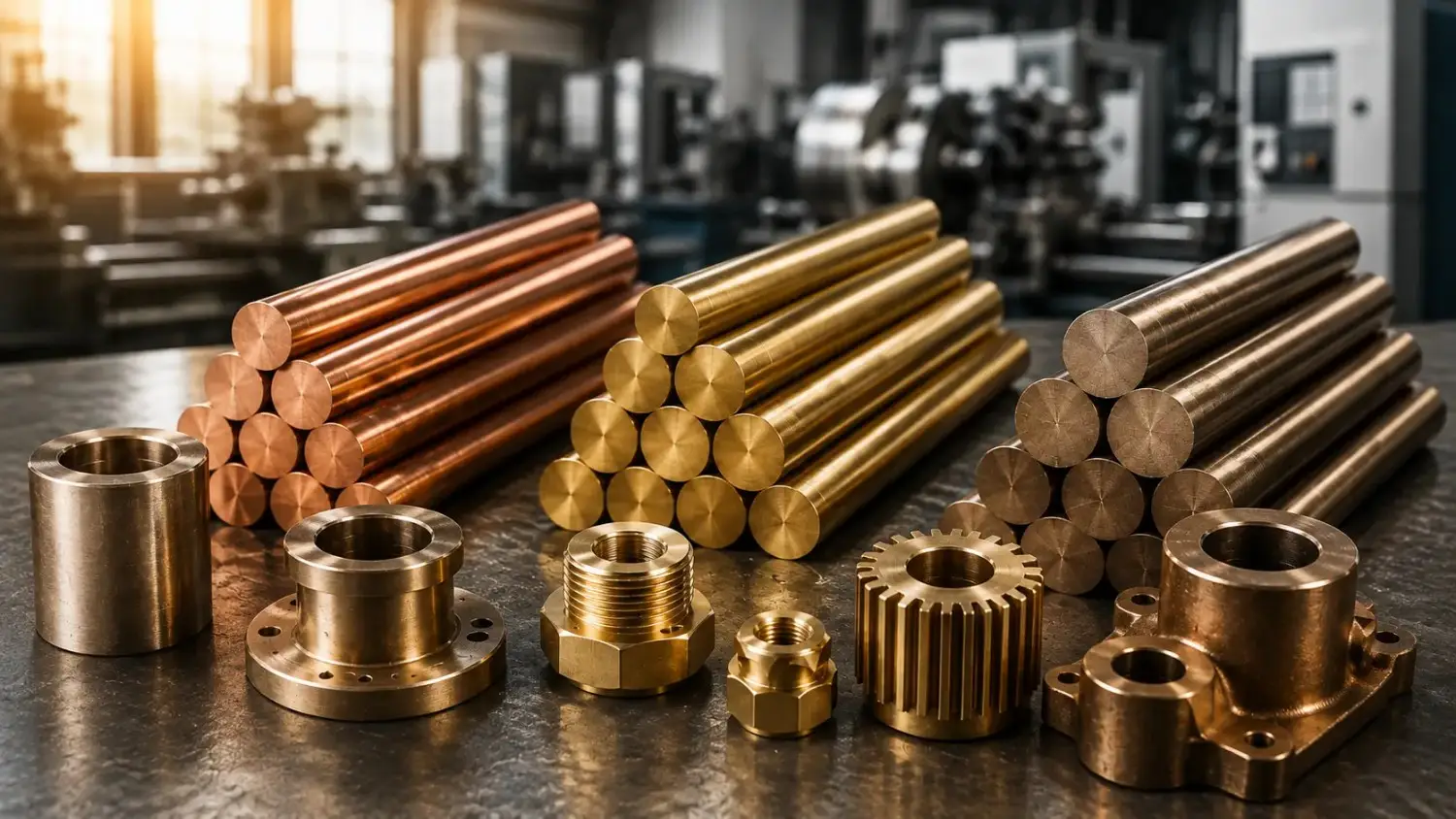
Gun metal, at its core, is a bronze variant — copper mixed with tin and just a touch of zinc thrown in. It used to get cast into cannons, which is honestly where the name comes from. These days though? Much quieter existence: bushings, gears, pump bodies, valve fittings that need to hold pressure without drama.
Need dependable, mid-range performance without chasing extreme mechanical limits? Gun Metal Rods usually get picked.
Take the tin out, put aluminium in instead — usually somewhere between 5 and 12%. Toss in a bit of iron or nickel if the job needs it. That's Aluminium Bronze Alloy in a nutshell, and the jump in toughness compared to regular bronze isn't subtle at all.
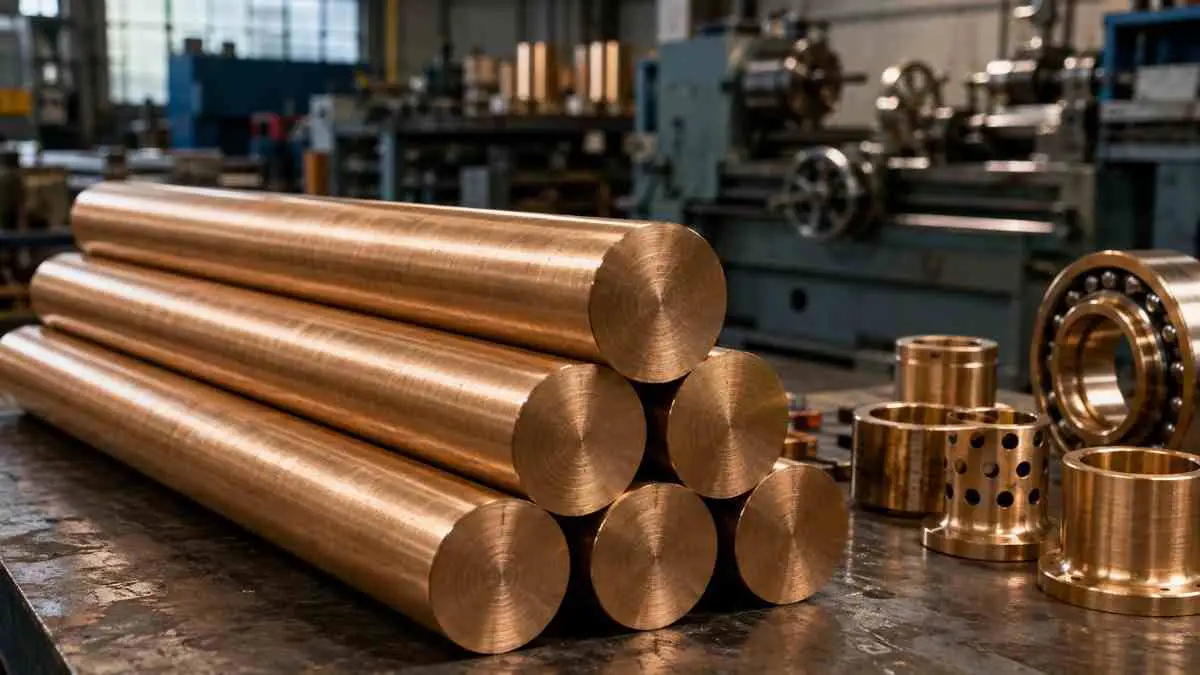
Think propeller shafts. Marine bushings. Valve stems sitting in nasty fluids day after day — that's the territory where Aluminium Bronze Rods and Aluminium Bronze Bars genuinely prove their worth.
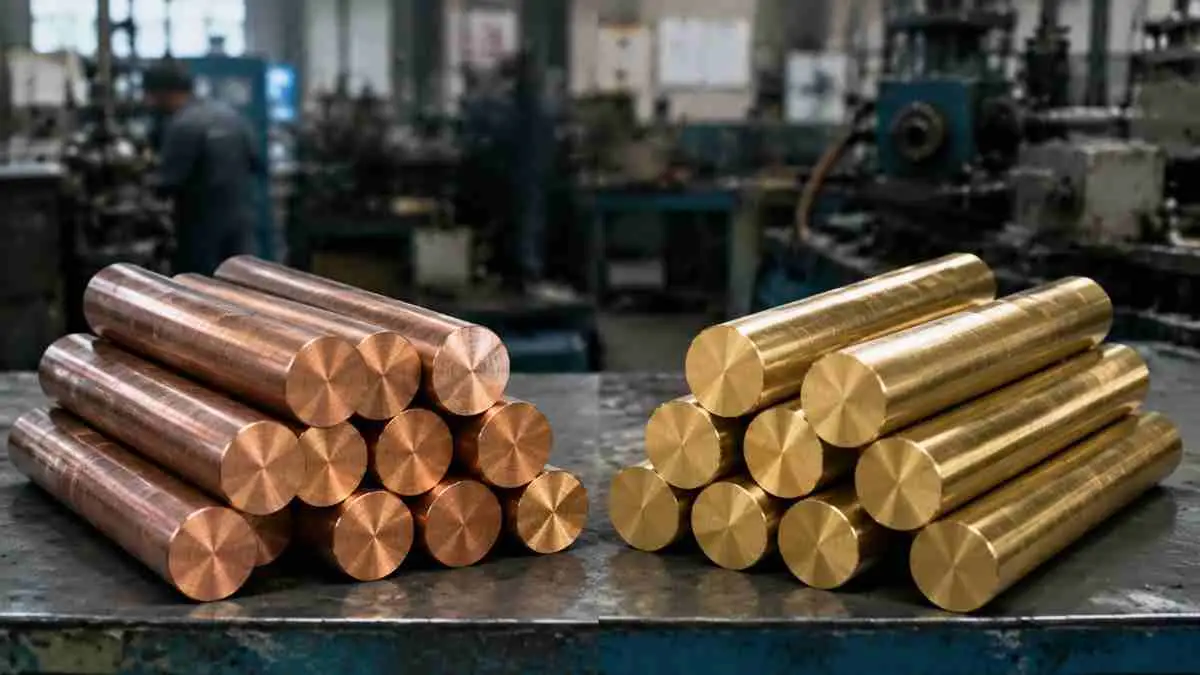
People ask this a lot, and fair enough, gunmetal technically is a bronze. But the difference between gunmetal and bronze that actually matters when you're placing an order comes down to behaviour, not just what it's called.
Here is the comparison to give you a clearer idea:
| Property | Gun Metal Rods | Aluminium Bronze Rods |
|---|---|---|
| Primary Alloying Element | Tin and zinc | Aluminium (with iron/nickel options) |
| Typical Strength Level | Moderate | High |
| Corrosion Resistance | Good, general purpose | Excellent, marine-grade |
| Machinability | Very good | Moderate |
| Wear and Galling Resistance | Adequate for medium loads | Strong, resists seizing against steel |
| Common Use Category | Bushings, valves, gears | Marine shafts, heavy bushings, fasteners |
| Typical Working Environment | Industrial, general engineering | Marine, chemical, high-load settings |
Not every job needs the toughest material money can buy. Sometimes the simpler choice is the smart one. Why pay for strength you'll never use? Match the alloy to the actual demand, not the one that sounds most impressive on paper.
Fact: Both alloys recycle without losing their mechanical properties. Small detail, but a real sustainability win over plenty of alternative materials.
No single “better” alloy exists here. Only the one that fits your job. Ask these before ordering:
|
Trivia “Gunmetal” is now a colour name in fashion circles too, that dark bluish-grey shade. Comes straight from the alloy's old cannon-casting days. |
Search “Gun metal rods near me” or look up aluminium bronze rods for sale, and you'll likely hit a mess of scattered listings. Middlemen. No real clarity on how the material was tested. That's exactly why picking an established manufacturer matters. As one of the trusted Aluminium Bronze Rods Manufacturers, rods and bars here go through controlled casting, extrusion, and cold-drawing, so dimensions stay consistent, batch after batch.
Comparing Aluminium Bronze Rods Suppliers? A few things worth checking first:
Among Aluminium Bronze Rods Suppliers in India, buyers lean toward manufacturers who combine proper in-house testing with flexible order sizes. Makes sense. A quality slip on a marine shaft isn't something you catch early, and by the time you do, it's already cost you. Once a supplier delivers consistently, most teams stop shopping around and just reorder.
Ganga R Ispat Metals are reputable manufacturers and suppliers of premium quality metal products for a variety of industries. Established in 2019 by Mr. Narayanlal Ramjiram Kalbi, the company is located in Ahmedabad, Gujarat and supplies throughout India as well as internationally. Having gained 7+ years of experience in the industry, the company prides themselves on being specialists in bronze plates, aluminum bronze, copper products, phosphor bronze products and gunmetal components suitable for demanding industrial purposes. Ganga R Ispat Metals utilize sophisticated manufacturing processes, high standards of quality, the supply of large orders and customised solutions, providing strong, precise and reliable products for use in modern industries.
Ans: Gunmetal is technically a type of bronze, just with zinc added alongside the tin. That's the whole trick. Standard bronze leans on tin alone for its properties, while gunmetal trades a bit of that for easier casting and smoother machining. Same family, different job on the shop floor.
Ans: Decent, not ideal. Gun Metal Rods handle general corrosion fine and work well in valves, bushings, and gears. But for constant saltwater exposure or heavy marine loads? Aluminium bronze usually wins that fight. Gunmetal's better suited to industrial settings where the environment isn't actively trying to eat the metal.
Ans: Strength, mostly. Swap the tin for aluminium and you get noticeably higher tensile strength plus serious resistance to galling against steel. Saltwater barely touches Aluminium Bronze Rods, and most aggressive chemicals don't get far either — regular bronze just can't keep pace there. Heavy load, rough environment? This is the one to reach for.
Ans: Sure, all the time actually. Plenty of assemblies use Gun Metal Rods for pressure-tight fittings and Aluminium Bronze Bars for the high-load or corrosion-heavy sections nearby. They're not competitors so much as tools for different parts of the same job. Mixing them by application is standard practice, not a compromise.
Ans: Check for in-house testing first, spectrometers and hardness testers, not guesswork. Look at whether they handle custom profiles, not just standard rounds. A supplier with real marine or heavy-engineering clients tends to know what they're doing. Reviews help too, but proven testing processes matter more than promises on a website.
Ans: Not really. Local listings usually mean limited stock and patchy quality checks, nothing worth risking a real project on. An established manufacturer, even one that ships in rather than sits down the road, tends to bring tighter tolerances and steadier supply. What actually matters is how the material got tested, not how close it sits.
Gun metal and aluminium bronze both have their place. Just not in the same job. Get the alloy matched to the load, the environment, the machining complexity — do that right, and the part outlasts its warranty rather than just scraping by. Miss that match, though, and no amount of careful manufacturing further down the line is going to save it.
|
Looking for reliable Gun Metal Rods or Aluminium Bronze Rods for your industrial requirements? Contact Us Now to source tested, precision-engineered rods and bars from Ganga Metals, built to meet demanding industrial applications. |
Connect with our experts to source high-quality brass rods, bronze rods, copper alloys, and precision metal components tailored to your industrial requirements.