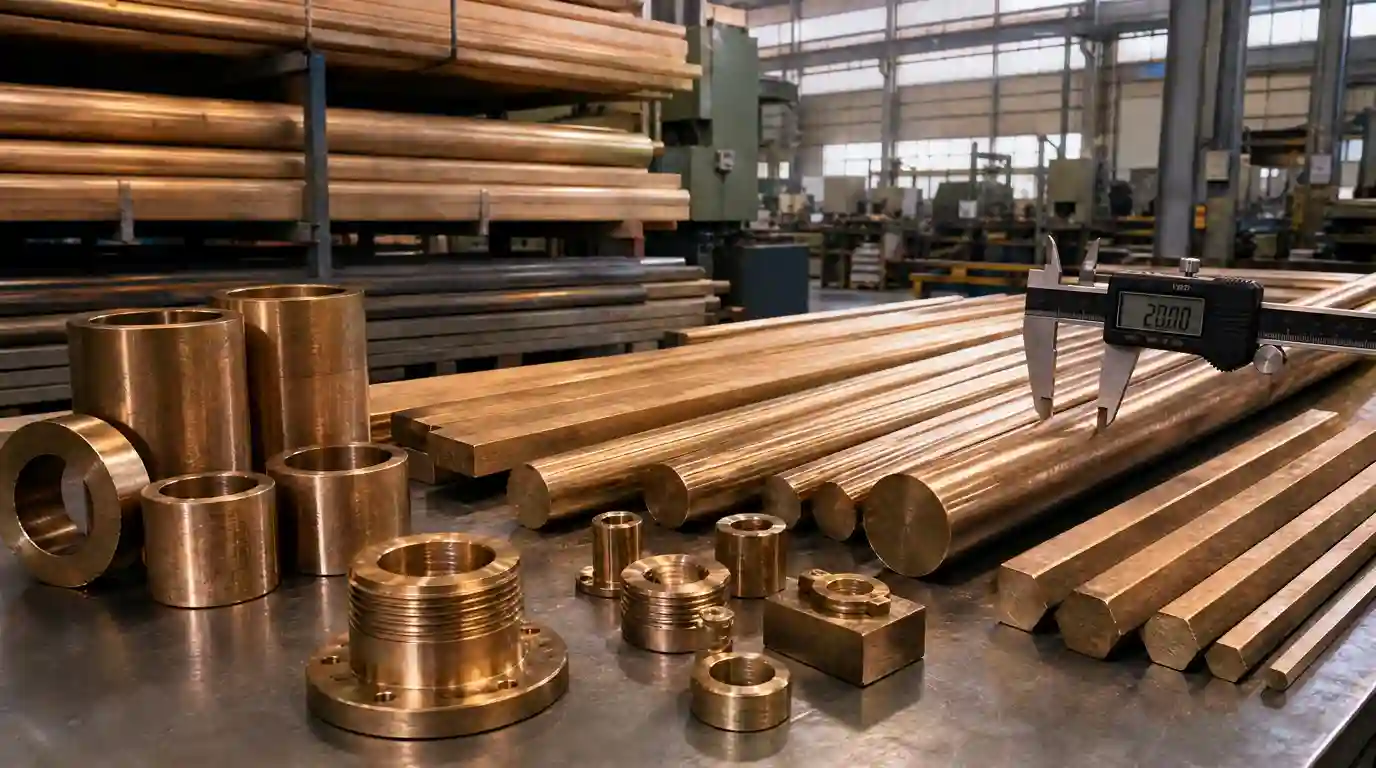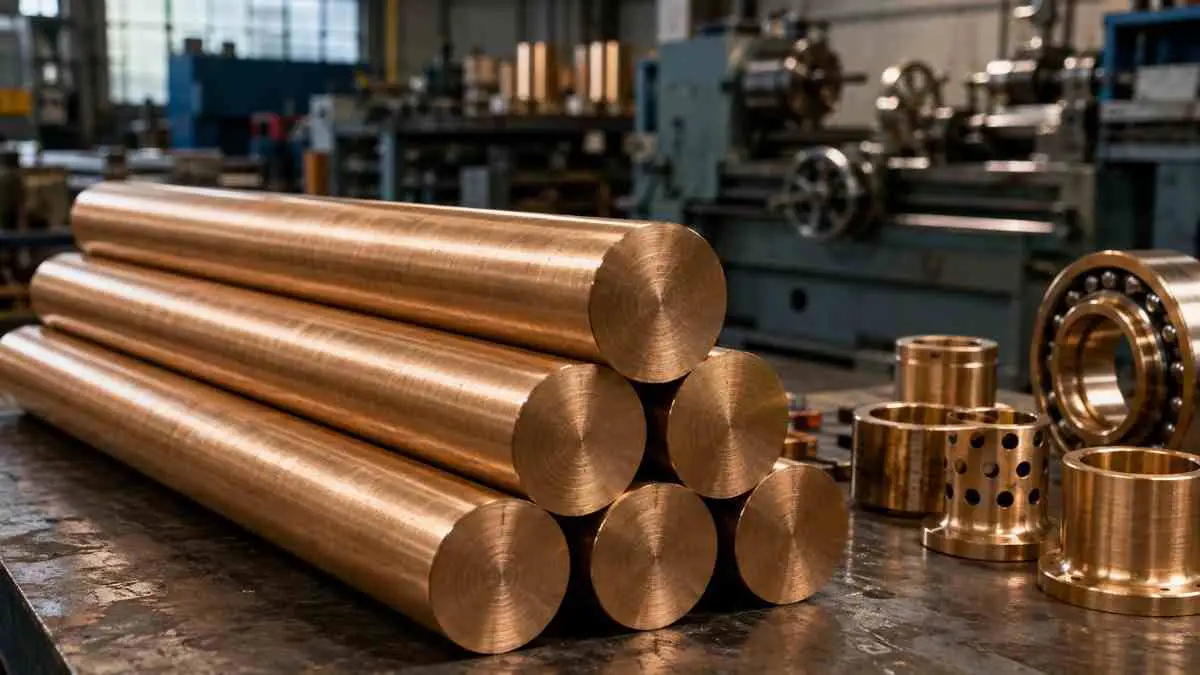
Need a metal that won't let you down under constant friction and load? That's usually where Phosphor Bronze Rods enter the conversation. Marine engineering, automotive lines, precision electronics, heavy machinery - this alloy shows up wherever strength and wear resistance actually matter, not just on a spec sheet. First-time buyers usually ask one thing. Is it worth paying more than plain copper or brass? Yes - most of the time. Here's the composition, what actually matters property-wise, and a handful of tips so ordering isn't a shot in the dark.
So what actually is Phosphor Bronze? Copper and tin, mostly, with a touch of phosphorus mixed in - and that touch is where the name comes from. It's a small percentage, but it matters more than you'd guess. Depending on the grade, a typical Phosphor Bronze Composition comes out to roughly 88-96 percent copper, 3-7 percent tin, and phosphorus somewhere between 0.03 and 0.35 percent. Tin's there for hardness and corrosion resistance, fairly straightforward. What's less obvious is what the phosphorus is doing: it tightens the grain structure as the metal cools, and that's basically the source of the fatigue resistance and stiffness people rely on. The upshot? A Phosphor Bronze Alloy that machines cleanly and won't lose its shape when the going gets rough.
Get the material choice wrong early on and you'll pay for it later, usually in downtime, not just money. High tensile strength. Decent elasticity. Low friction. Solid fatigue resistance. These phosphor bronze properties are why engineers keep going back to it for parts under constant motion or repeated load. Humidity and saltwater barely touch it either, at least compared to most metals in the same price bracket. In automotive, oil and gas, aerospace or heavy engineering, that's not a bonus feature – it's often what separates a part that lasts years from one that fails halfway through a project.
Not every rod is built the same, and phosphor bronze grades reflect that.
Before signing off on a batch, here's what actually matters:
Skip any of these and you're rolling the dice on the whole batch. Not worth it, especially on a repeat order.
|
Trivia: Phosphorus wasn't originally added for strength at all - early foundries used it just to deoxidize molten copper during casting. |
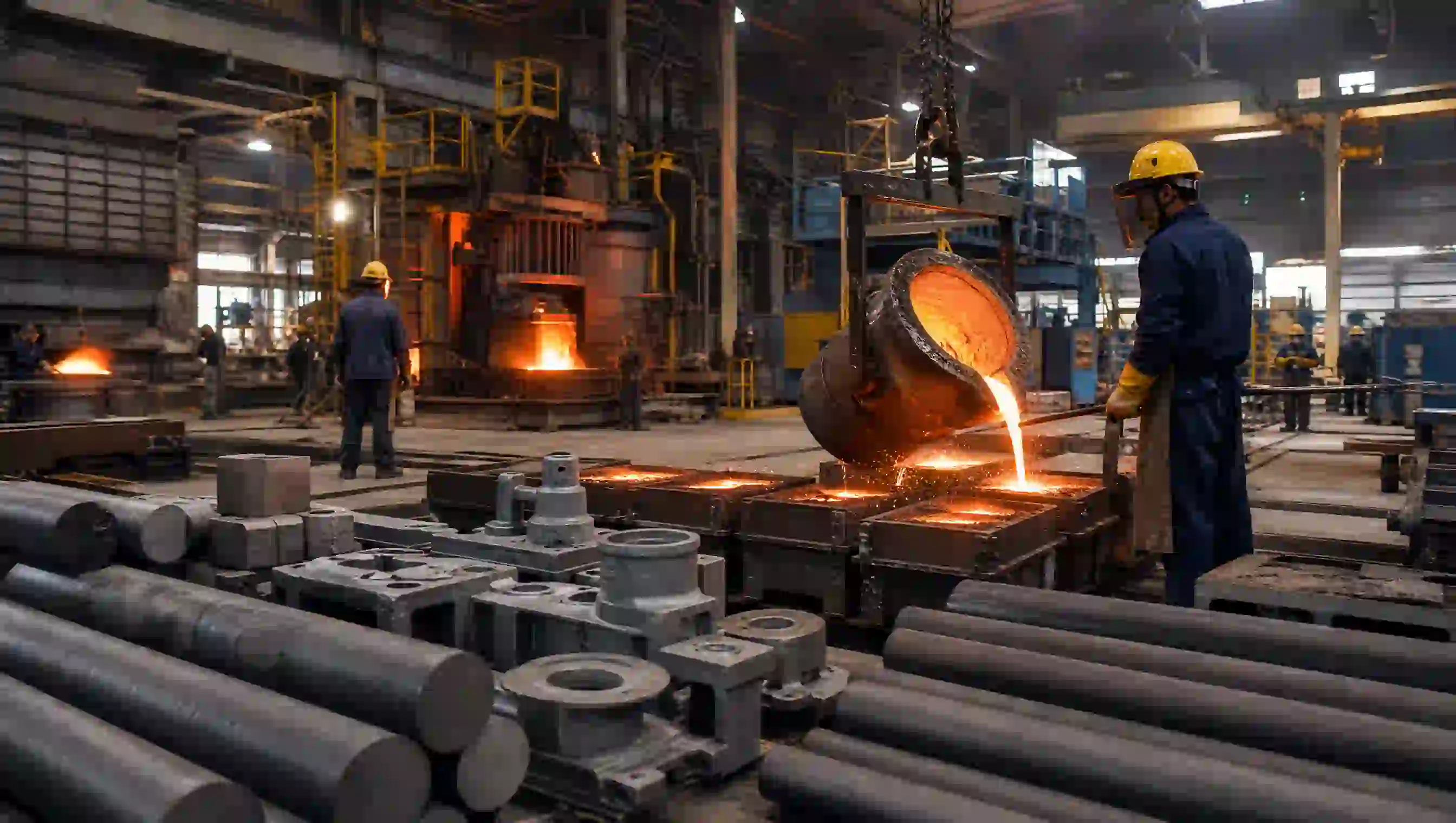
Making a solid Phosphor Bronze Rod isn't a single step. It's melting, casting, hot rolling, cold drawing, and sometimes annealing, each one shaping the final strength and finish a little further. Ganga R Ispat Metals, for instance, makes these in round, square, hexagonal, plus custom profiles - so you're not stuck bending a design around whatever shape's sitting in stock. Sizes go anywhere from a few millimetres wide up to 200 mm. Standard lengths run 1 to 6 metres, and custom sizing's normally available if you just ask. Find one supplier who can match grade and profile together, and honestly, that's half the sourcing hassle gone already.
Why do engineers keep specifying this alloy? A few reasons stand out:
Put those together and it's easy to see why this metal keeps showing up in demanding applications, project after project.
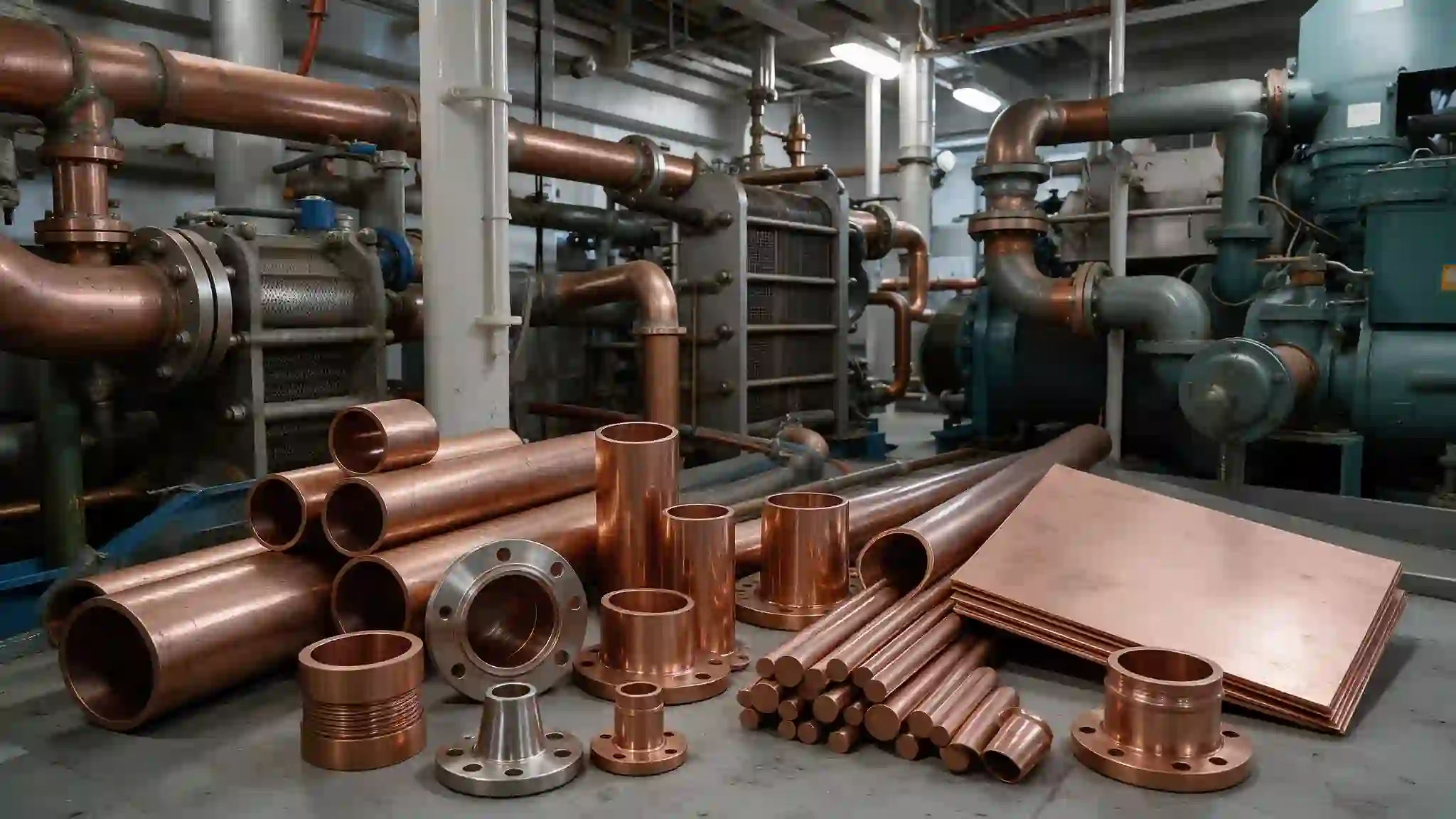
Phosphor Bronze Applications cover a surprisingly wide range once you start looking:
Beyond the obvious ones, Phosphor Bronze Uses stretch into aerospace bushings and relay contacts too, anywhere dimensional stability under stress genuinely matters. Different industries, same underlying properties doing the heavy lifting, quietly, in the background.
Still weighing phosphor bronze against other copper alloys? Quick side-by-side below.
| Factor | Phosphor Bronze | Plain Brass | Gun Metal |
|---|---|---|---|
| Wear Resistance | Excellent | Moderate | Good |
| Corrosion Resistance | Very good, marine grade | Good | Very good |
| Machinability | Good | Excellent | Moderate |
| Fatigue Strength | Excellent | Moderate | Good |
| Typical Use | Springs, bearings, electrical parts | Fittings, decorative parts | Bearings, marine components |
| Cost Positioning | Mid to high | Lower | Mid to high |
A few things worth keeping in mind before you place an order:
None of this takes long to check, and it saves a lot of trouble once material actually reaches the shop floor. A five-minute phone call now beats a delayed shipment later.
|
Fact: Even a phosphorus content under half a percent can noticeably improve fatigue life and casting quality. |
Ganga R Ispat Metals are reputable manufacturers and suppliers of premium quality metal products for a variety of industries. Established in 2019 by Mr. Narayanlal Ramjiram Kalbi, the company is located in Ahmedabad, Gujarat and supplies throughout India as well as internationally. Having gained 7+ years of experience in the industry, the company prides themselves on being specialists in bronze plates, aluminum bronze, copper products, phosphor bronze products and gunmetal components suitable for demanding industrial purposes. Ganga R Ispat Metals utilize sophisticated manufacturing processes, high standards of quality, the supply of large orders and customized solutions, providing strong, precise and reliable products for use in modern industries.
Ans: Regular bronze is copper and tin, nothing else. Phosphor bronze throws phosphorus into the mix during casting — small amount, but it's not just a minor tweak. Grain structure tightens up because of it, and that's where the extra fatigue resistance and stiffness come from. Similar-looking alloys, very different performance under repeated stress.
Ans: Technically yes, practically not recommended. Tin content makes welding tricky — cracking and porosity show up more often than not. Most fabricators go with brazing or mechanical fastening instead. If you do need to weld, find someone who's actually worked with copper alloys — regular steel welding skills won't transfer well.
Ans: Really depends on the application. But well-chosen phosphor bronze rods often outlast the equipment they're bolted into — marine bearings with decent lubrication can run past a decade without issue. It comes down to wear and fatigue resistance mostly. The alloy just degrades slower than most alternatives under constant load, plain and simple.
Ans: Nope, non-magnetic — same as most copper alloys, actually. That's a genuine advantage in electronics and instrumentation work, where stray magnetic fields can throw sensitive readings way off. It's part of why phosphor bronze turns up so often in relay contacts, switchgear parts and precision measuring gear where interference just isn't acceptable.
Ans: Gun metal throws zinc into the copper-tin mix, which gives it a bit more casting flexibility. Phosphor bronze skips the zinc and adds phosphorus instead — that pushes fatigue resistance and stiffness noticeably higher. Gun metal tends to end up in valves and fittings. Phosphor bronze, meanwhile, leans toward springs, bearings and anything under repeated stress.
Ans: Not really, nothing too demanding. Keep them dry, away from harsh chemical fumes — prolonged exposure can dull that surface finish over time. Stack them properly too, especially the longer lengths, so they don't bend under their own weight. Beyond that, they're fairly low-maintenance compared to a lot of other industrial metals out there.
Electrical connectors, marine shafts, everything in between - Phosphor Bronze Rods keep earning their spot in tough industrial settings. Once the composition and grade differences actually make sense, picking the right rod stops being guesswork. Small prototype batch or full bulk order, doesn't matter - getting the grade right early saves both budget and headaches later.
Need reliable Phosphor Bronze Rods for your industrial requirements? Get expert support on grades, specifications, and availability from Ganga R Ispat Metals. Contact Us Now for quick assistance and a competitive quote. |
Connect with our experts to source high-quality brass rods, bronze rods, copper alloys, and precision metal components tailored to your industrial requirements.