Ask any procurement manager who's dealt with a failed shipment, and they'll tell you the same thing — the cheapest plate on paper is rarely the cheapest plate in practice. Corrosion doesn't show up on day one. It creeps in months later, right when it's most expensive to deal with.
So bronze plates come up a lot in marine hardware, pump housings, valve bodies — basically anywhere heavy machinery meets water or chemicals. Why? Copper and tin together just don't rust the way plain steel does. That's really the whole point of this piece: corrosion resistance deserves more attention in procurement than it usually gets.
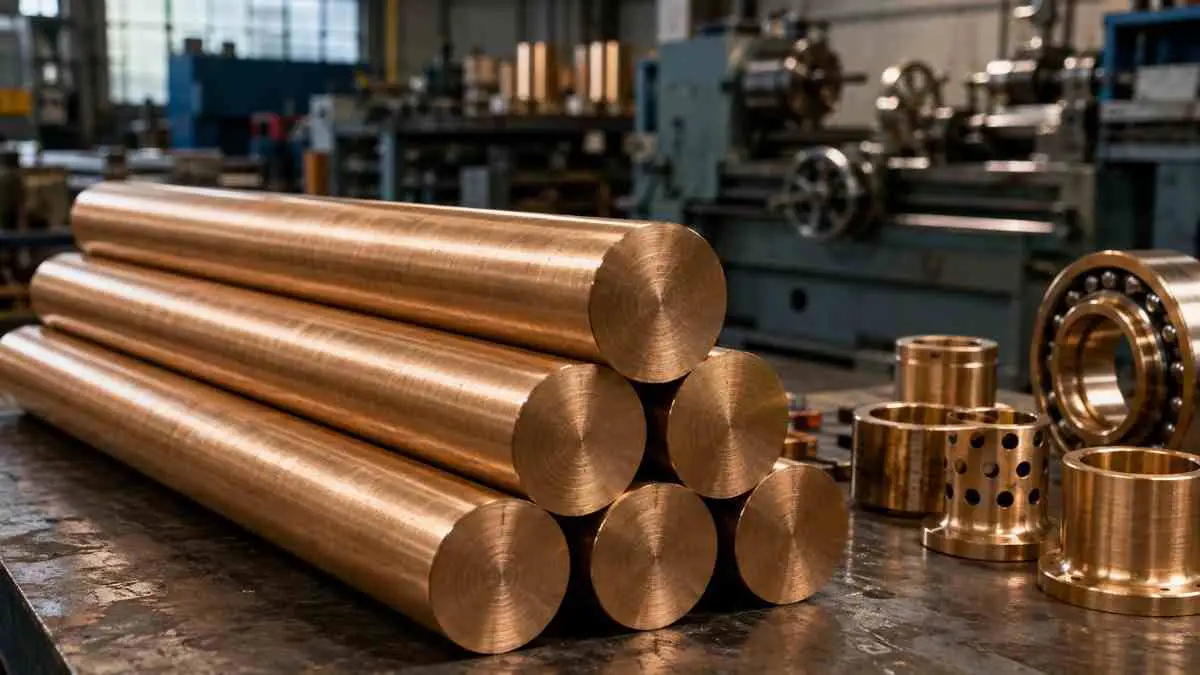
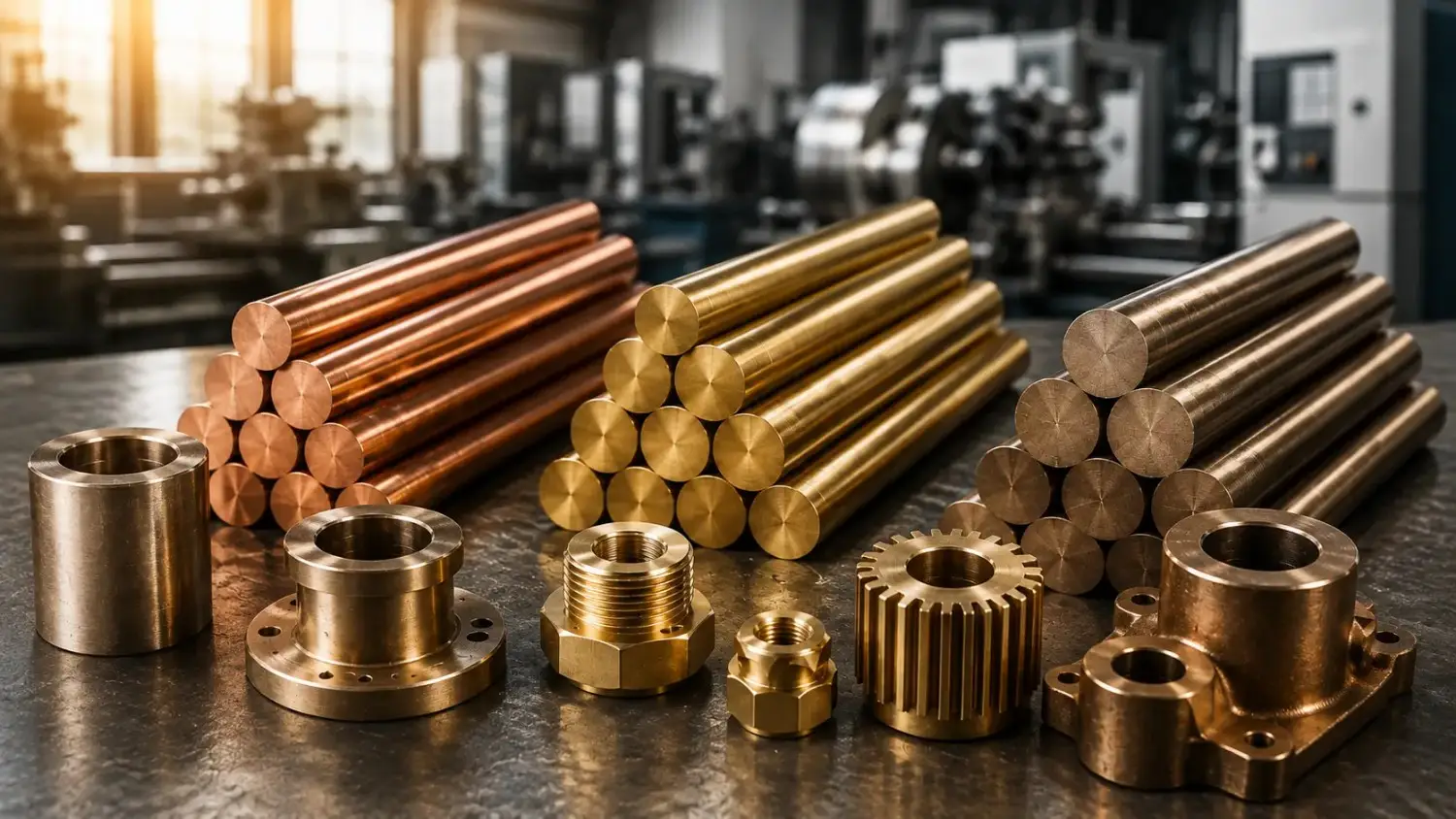
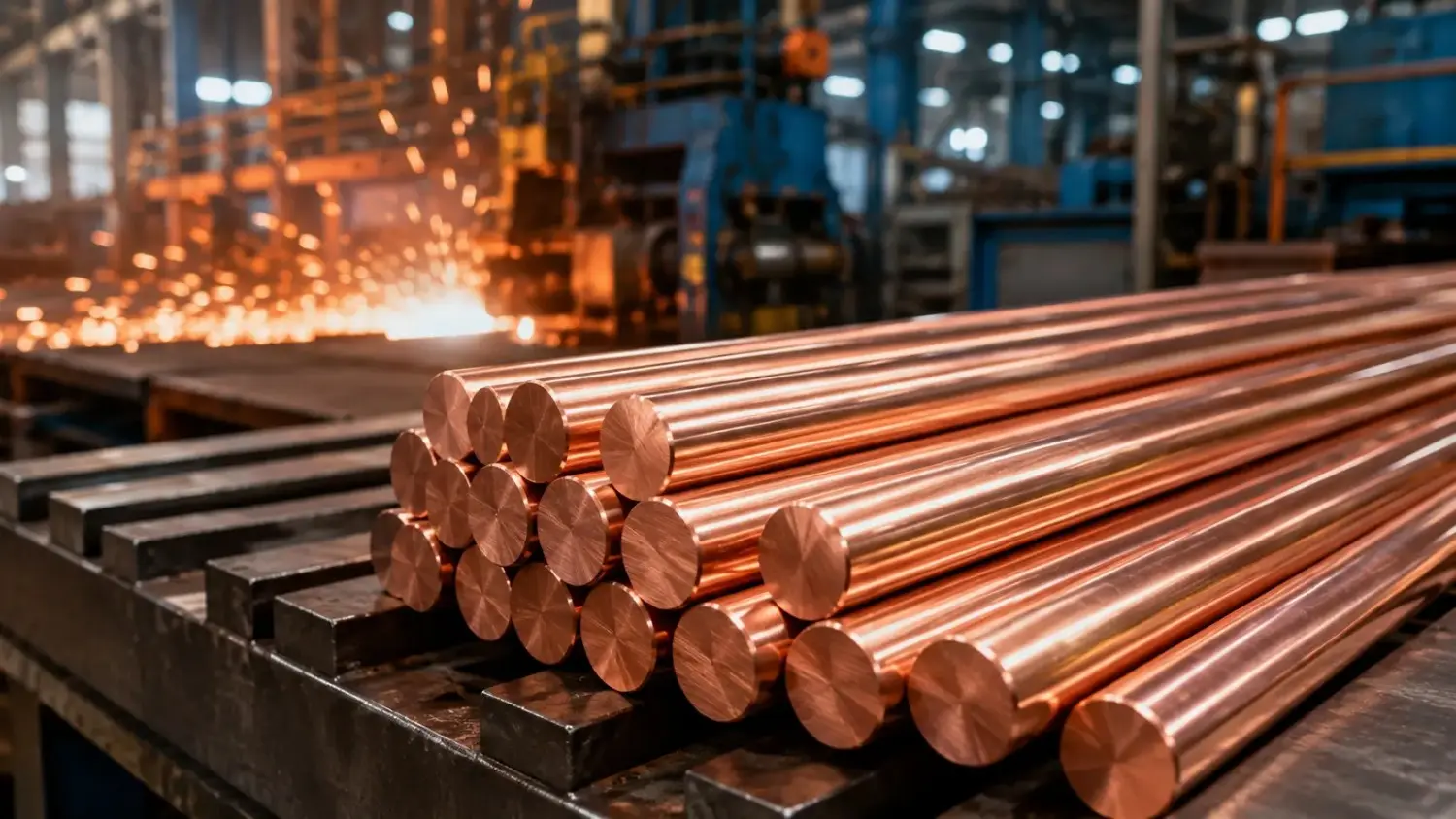
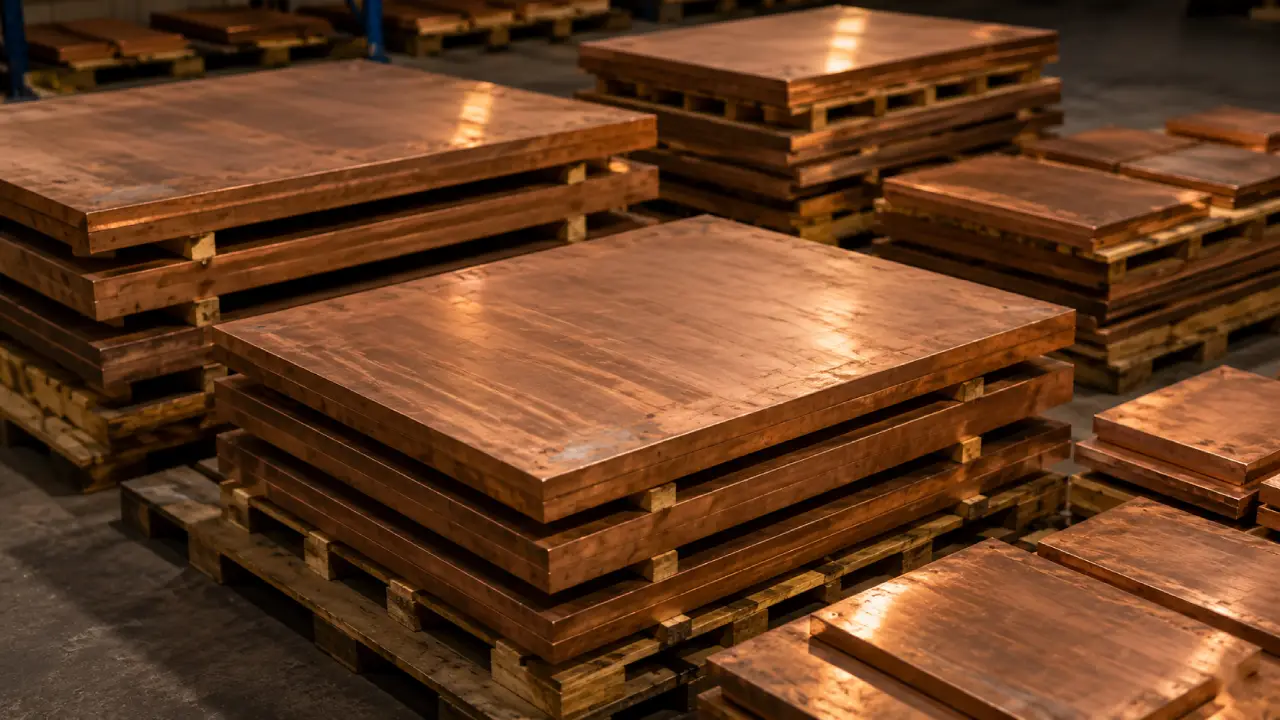
Bronze plates are pretty much what they sound like. Flat sections, rolled or cast, made from a bronze alloy — usually copper and tin, sometimes with a bit of aluminium, silicon, or phosphorus thrown in depending on what's needed. Rods and bushes get the fine-tuning treatment. Plates are the workhorse: cut into slabs, machined down, and sent off to do jobs that take a beating.
Here's the real difference between a bronze plate and a plain steel one: what happens on the surface as time passes. Steel rusts, and it keeps rusting. Bronze material, though, grows a thin protective layer that shields what's underneath rather than eating into it. That's basically why bronze plates show up so often in ship hulls, industrial bearings, and gear housings.
Metal corrosion is quietly one of the biggest reasons industrial parts fail early. Moisture, salt, process chemicals — they eat away at unprotected metal, and the damage rarely stays cosmetic. A pitted valve seat or a corroded bearing plate is often the reason a whole line grinds to a halt.
For a procurement team, this isn't just a checkbox on a spec sheet. It shapes real decisions:
Put simply, paying a little more for a corrosion resistant plate now beats replacing a corroded steel part two years down the line.
Bronze isn't one fixed recipe. Change what's added to the copper-tin base, and the bronze alloy behaves differently. A few common ones you'll come across:
Good Bronze Plates Manufacturers ask about your operating environment before recommending a grade. A plate built for saltwater isn't automatically right for a dry industrial chamber.
Two plates can look nearly identical and still behave differently once they're in service. Before you place an order, it's worth checking for:
Genuine Bronze Plates Suppliers In India won't make you ask twice for test certificates. If a supplier hesitates on paperwork, that's a red flag.
Ganga R Ispat Metals produces bronze plates built for exactly these demanding environments. As one of the established Bronze Plates Manufacturers, the company casts, rolls, and finishes phosphor bronze, aluminium bronze, and gun metal plate variants under production conditions it controls end to end.
Every batch gets chemically and mechanically tested before leaving the facility — something that matters to buyers evaluating Bronze Plates Distributors in India for repeat, large-volume orders. Keeping production in-house is what keeps quality steady order after order.
Some of the benefits are:
That's really why bronze uses stretch across so many critical industries, even with cheaper metals sitting right there on the shelf. Buyers browsing bronze plates for sale often find the higher price evens out once fewer replacements enter the picture.
TRIVIA: Shipbuilders were bolting bronze fittings onto wooden hulls long before steel was even common — the metal just shrugged off seawater that well.
Here are the major applications and uses:
Given that spread, buyers searching for Bronze Plates Manufacturers Near Me are usually working on something recurring, not a one-time purchase.
DID YOU KNOW: Bronze gave an entire era of human history its name, mostly because it outperformed pure copper and tin on their own.
Understand various types of bronze alloy with the following table:
| Bronze Alloy Type | Key Strength | Corrosion Behaviour | Common Use Area |
|---|---|---|---|
| Phosphor Bronze | Fatigue and wear resistance | Good resistance in general industrial settings | Springs, bushes, precision parts |
| Aluminium Bronze | High mechanical strength | Excellent resistance in seawater and chemicals | Marine and heavy machinery |
| Gun Metal | Pressure tightness | Reliable resistance in fluid handling systems | Valves, pumps, fittings |
| Silicon Bronze | Good weldability | Strong resistance to atmospheric exposure | Architectural and marine hardware |
| Standard Tin Bronze | General durability | Moderate to good all-round resistance | General engineering components |
Here are the expert tips and buying guide:
A solid working relationship with Bronze Plates Distributors doesn't end once the invoice is raised. Alloy selection, delivery scheduling, troubleshooting — all of it stays part of the conversation.
Ganga R Ispat Metals are reputable manufacturers and suppliers of premium quality metal products for a variety of industries. Established in 2019 by Mr. Narayanlal Ramjiram Kalbi, the company is located in Ahmedabad, Gujarat and supplies throughout India as well as internationally. Having gained 7+ years of experience in the industry, the company prides themselves on being specialists in bronze plates, aluminum bronze, copper products, phosphor bronze products and gunmetal components suitable for demanding industrial purposes. Ganga R Ispat Metals utilize sophisticated manufacturing processes, high standards of quality, the supply of large orders and customized solutions, providing strong, precise and reliable products for use in modern industries.
Ans: Copper and tin, mixed the right way, just don't corrode like steel does. Once bronze plates sit out in moisture or open air, a thin layer forms right on the surface — and instead of chipping away, it kind of protects everything underneath. Pretty much the whole trick.
Ans: Not even close, honestly. Aluminium bronze shrugs off seawater and harsh chemicals way better than standard tin bronze ever could. Phosphor bronze, meanwhile, is built more for wear than corrosion. So no, you can't just grab any grade and expect the same protection — matching it to your environment actually matters.
Ans: Depends heavily on the alloy and how rough the environment gets — there's no fixed number anyone can promise you. That said, aluminium bronze plates especially tend to outlast plain steel by years, sometimes decades, in saltwater conditions. Picking the right grade and getting proper testing done makes the real difference here.
Ans: Usually, yeah. Most manufacturers will cut, roll, or cast plates around your own drawings instead of pushing standard stock sizes on you. Worth asking about tolerances and finishing early though, since that part varies a fair bit supplier to supplier — some are flexible, others stick pretty close to fixed templates.
Ans: Ask for the paperwork first — spectrometer results, mechanical certs, proof the alloy stays consistent batch after batch. It also helps to ask if they do their own casting and finishing in-house, or send it out somewhere else — that one detail says a lot about how tight their quality control really is.
Ans: Upfront, yeah — bronze usually costs more. But give it time, and that gap shrinks fast once you factor in fewer part replacements, less downtime, lower maintenance overall. Marine work, chemical exposure, high-pressure systems — in those cases, the money saved down the line usually beats out that higher sticker price.
Corrosion resistance doesn't usually get the attention it deserves in procurement talks, yet it decides how long a part lasts and what the equipment ends up costing over its life. Pick the right bronze alloy, buy it from a manufacturer that backs every batch with real testing, and it pays off well past the purchase order. The right bronze plate is rarely the flashiest line item — but it's often the one that saves you the most trouble down the road.
Reach out to our team at Ganga R Ispat Metals to discuss your bronze plate requirements and find the right alloy for your application. Contact Us Now to get expert assistance with grade selection, specifications, and bulk requirements. |
Connect with our experts to source high-quality brass rods, bronze rods, copper alloys, and precision metal components tailored to your industrial requirements.