The use of copper goes back more than 10,000 years. It has been used for a long time. The versatile uses of copper have made it “man’s eternal metal." Copper is almost everywhere. Have to power your smartphone? Copper is there. Want to cool your home? You will require copper. Want to keep your drinking water pure? Copper will be there.
Copper is counted amongst one of the most conducive metals. The value of copper is higher than ever. As the world moves towards sustainability, copper is found almost everywhere. Let us look at this report by J.P. Morgan Global Research. It says that the prices of copper are touching the sky. This is due to the fact that there is a high demand for renewable energy sources (copper is 100% renewable).
Source:- J.P. Morgan :- Copper prices could soar further amid a tightening market
Note: Content is intended for general knowledge and informational use only.
The green statue, the famous Statue of Liberty, is not actually green. More than 80 tons of copper are used in the making. That green color is actually a protective layer formed due to oxidation. This coating is known as patina.
Copper is highly sustainable. Also, it is 100% recyclable. It is for this reason that it is used in a wide range of applications.
When choosing copper for industrial or large-scale applications, understanding the grade and performance is vital. Below is a breakdown of how top-tier manufacturers categorize their high-performance metal products.
| Section | Parameter | Detailed Specifications & Export Standards |
|---|---|---|
| PERFORMANCE | Conductivity | 100% IACS (International Annealed Copper Standard) |
| Temperature Range | Stable from sub-zero to 1085°C (Copper’s melting point) | |
| Corrosion Resistance | High (Forms protective oxide layer in marine/soil environments) | |
| Alloy Grades | C101 (Oxygen-Free), C110 (ETP), C122 (DHP) | |
| MECHANICAL | Ductility | Excellent (Can be drawn into ultra-fine copper wires without breaking) |
| Malleability | High (Easily hammered into sheets or complex shapes) | |
| Tensile Strength | 200–400 MPa (Depending on temper and alloy) | |
| Hardness | Available in Soft (Annealed) to Extra Hard (Cold-rolled) | |
| HYGIENE | Antimicrobial | Effectively kills 99.9% of bacteria within 2 hours |
| Food Grade | Safe for water storage and specialized food processing | |
| Biofouling | Natural resistance to algae and barnacle growth |
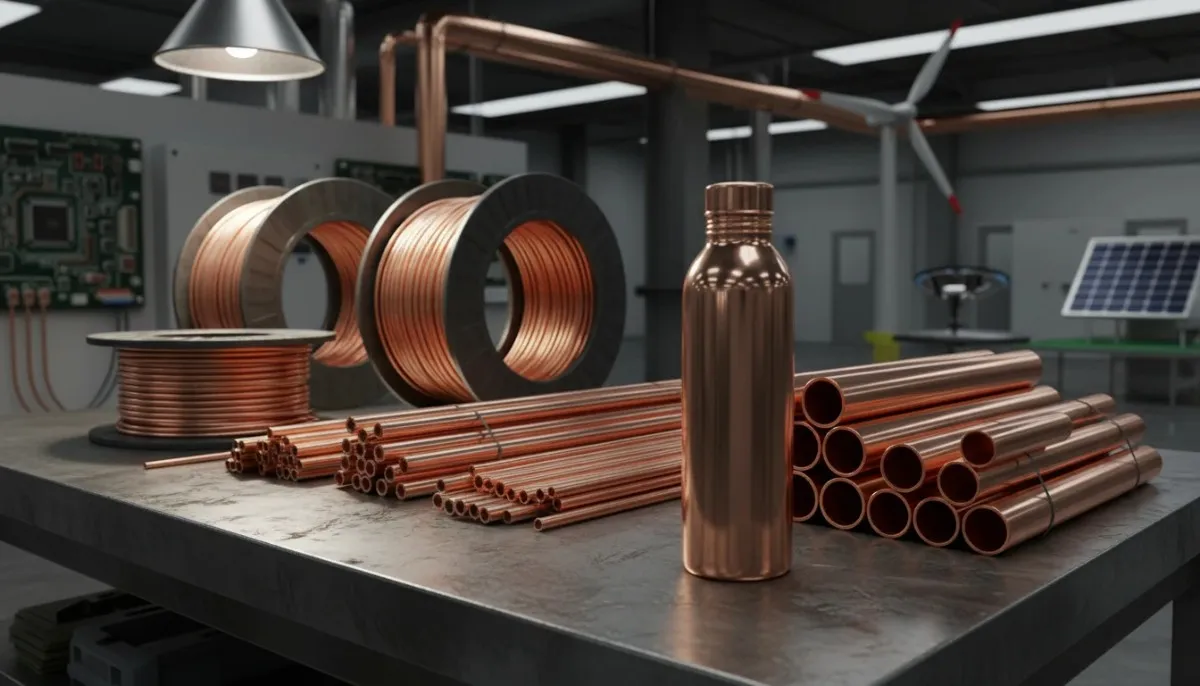
India, being one of the oldest civilizations in the world, follows certain habits that carry with them a set of benefits. For instance, Tamra Jal (the practice of storing water in copper bottles) has been prevalent in Indian households for centuries. Another important health benefit of copper is that it helps the human body to intake iron and support a healthy immune system. One of the many indirect effects of copper can be gotten from the pipes that carry the water you use for drinking every day.
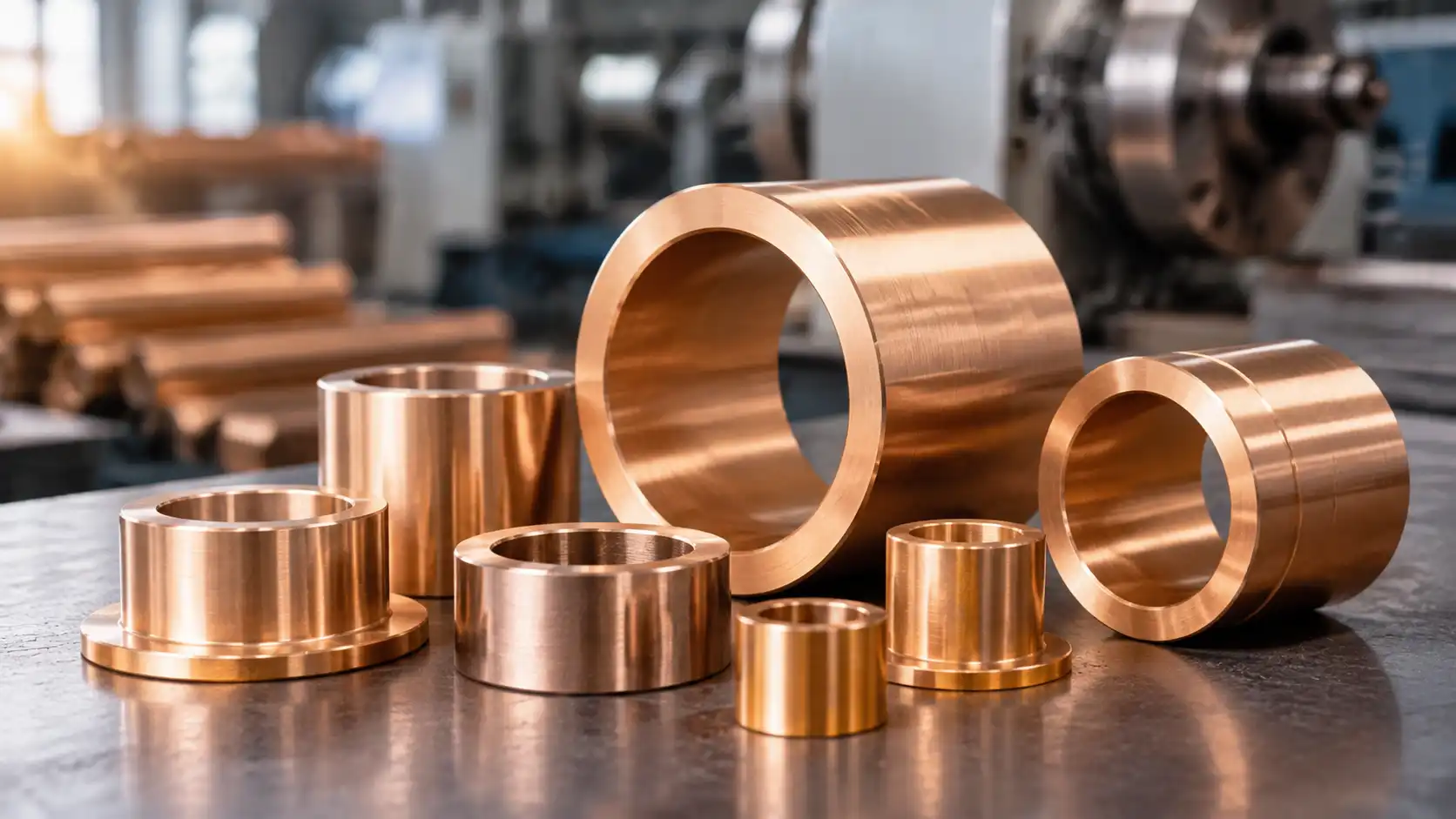
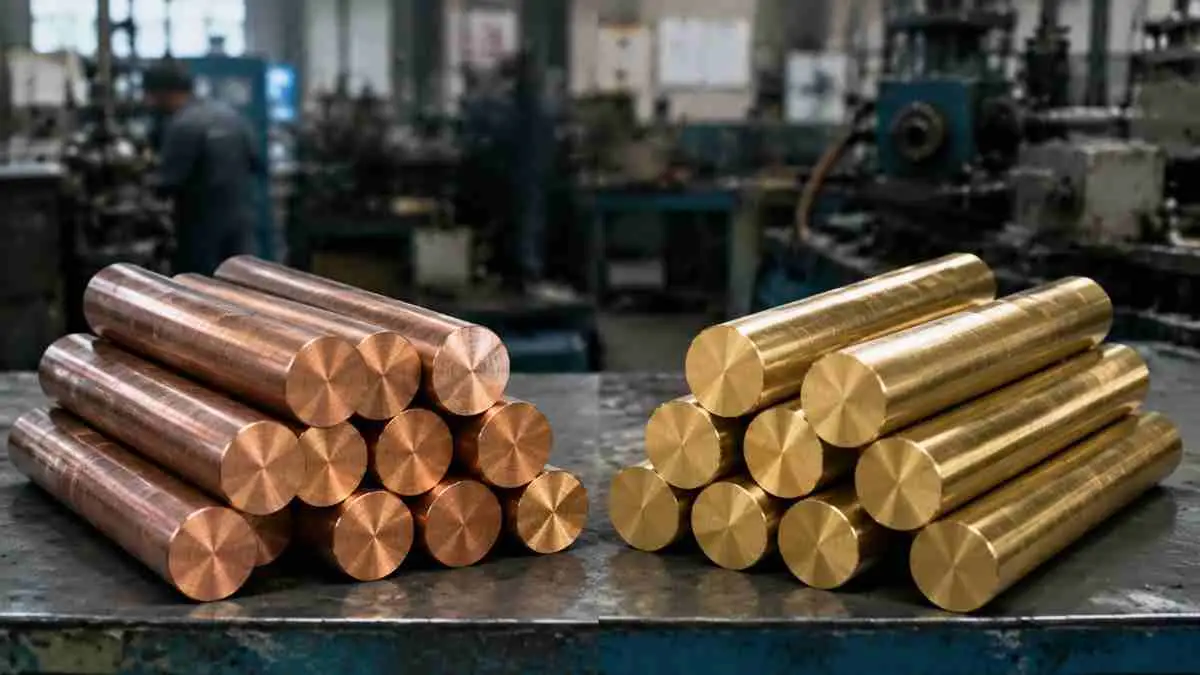
Purity is everything when it comes to metals. If you are looking for world-class Copper Products, including copper rods, copper bushes, copper bars, etc., Ganga Metals is just the platform for you. We are the leading copper products manufacturers in India and serve thousands of businesses in India. Contact us today for more queries.
Before we wind up, here is another interesting fact on copper.
Gold is "dirty," copper is "clean": In specific settings like the medical ones, copper is often termed a superhero. It has antimicrobial properties. It is for this reason that many people use copper jugs to drink water. Any type of bacteria and viruses can survive on stainless steel and plastic for days but cannot stay on copper surfaces for more than a few minutes.
According to recent J.P. Morgan Global Research, copper demand is being driven by a "triple threat": the rapid expansion of data centers for AI, the global transition to renewable energy (solar/wind), and the electric vehicle (EV) revolution. Copper is irreplaceable in these sectors due to its unmatched electrical conductivity.
Yes. This is known as the oligodynamic effect. Research confirmed in 2025/2026 highlights that copper surfaces can destroy 99.9% of pathogens—including E. coli and Salmonella—within minutes to hours. This is why copper is increasingly used for "high-touch" surfaces in hospitals and for water storage in copper bottles.
Not at all. Copper is one of the few materials that can be recycled infinitely without any loss in performance or purity. Whether it’s a 100-year-old copper wire or a brand-new copper rod, the metal retains the same conductivity and mechanical properties after being melted down.
While you don't "drink" chunks of metal, the copper ions that leach into the water (in safe, trace amounts) are essential for the body to produce ceruloplasmin, a protein that helps your body transport and utilize iron. This makes it a natural aid in preventing anemia and supporting metabolism.
This is a natural process called oxidation. When copper is exposed to air and moisture, it develops a "patina." While it may look dull, this layer actually protects the metal from further corrosion. For food-grade vessels, you can easily clean this off using a simple mixture of lemon and salt.
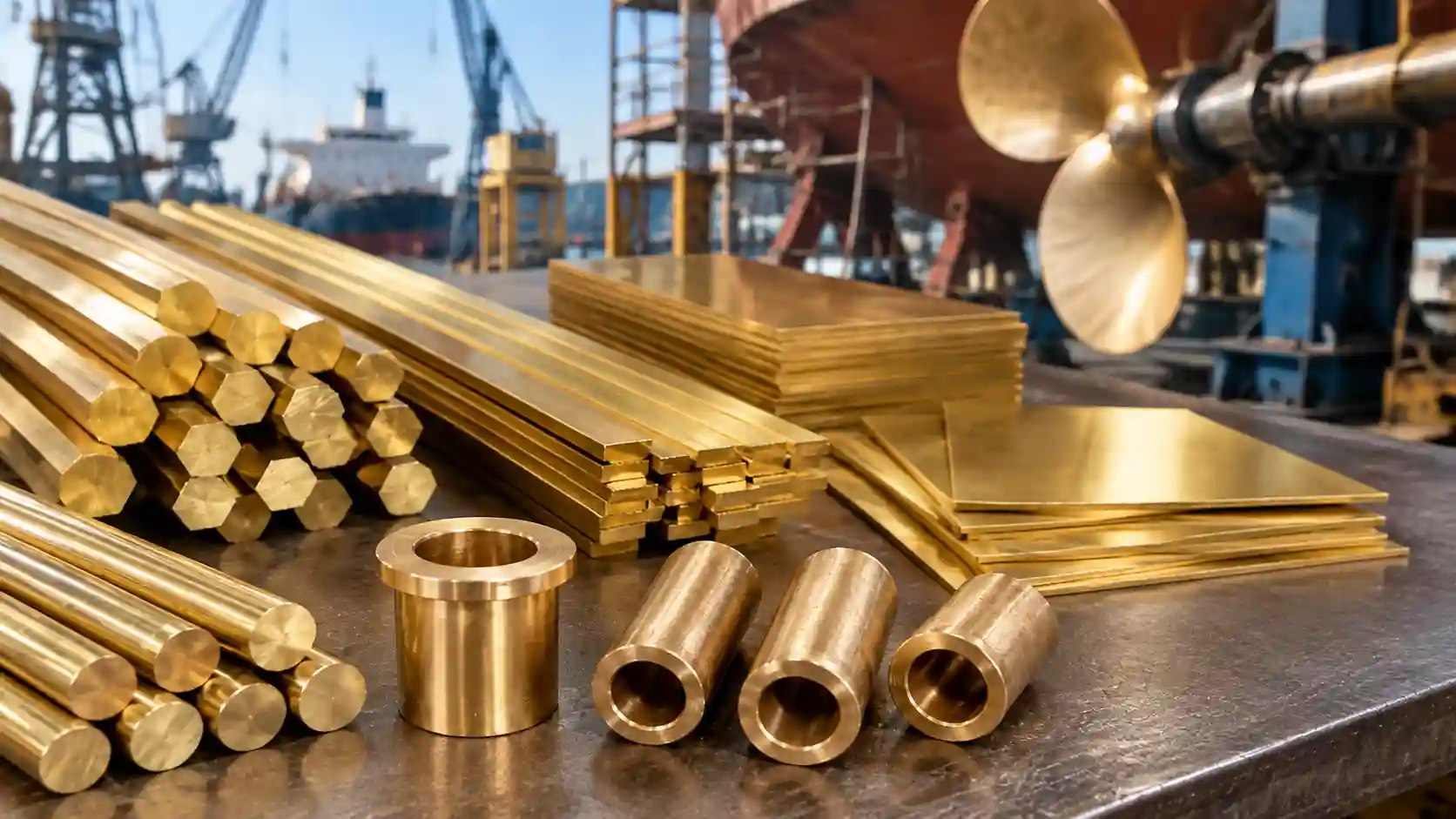
Connect with our experts to source high-quality brass rods, bronze rods, copper alloys, and precision metal components tailored to your industrial requirements.