Did you know?
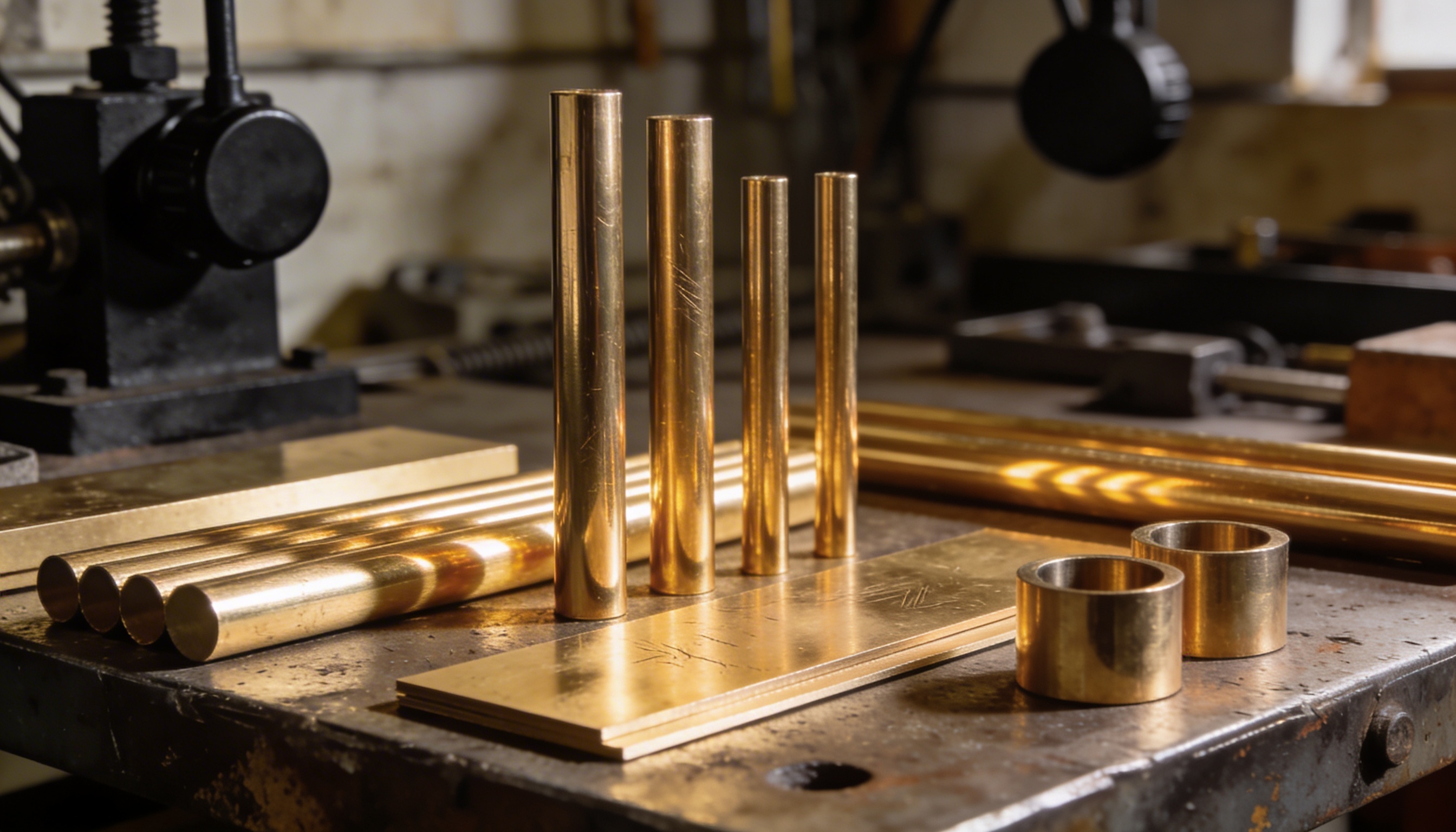
There is a saying that goes, “The older, the better.” Many people believe that the older the brass is, the finer it looks. When the sun's rays hit it, it shines like bright gold. It can further develop into a deep brown color, a smoky grey color, and many more colors. That is impressive! Right?
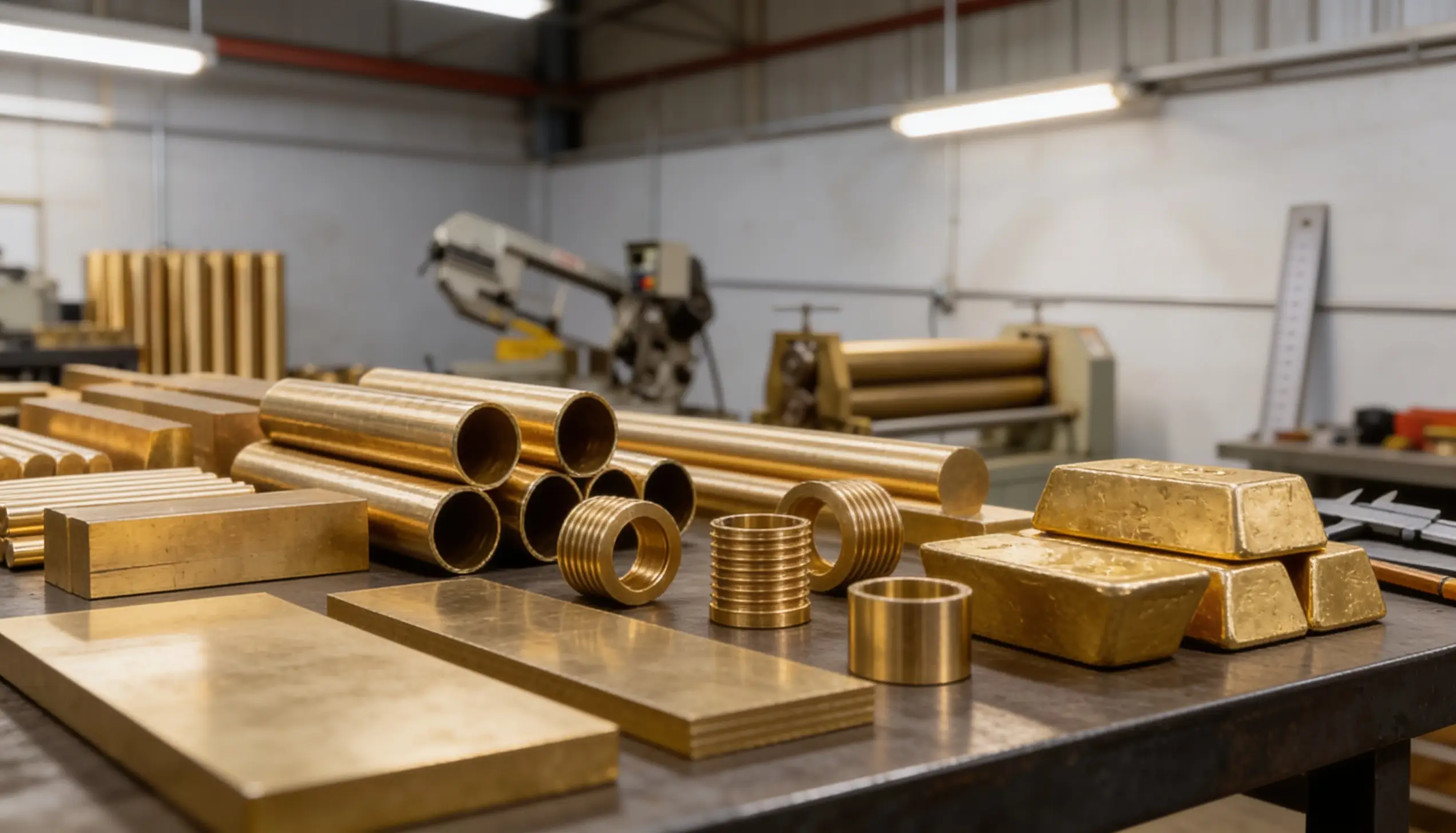
Often referred to as “forever metal,” brass is widely used in industrial and other landscapes. You will find brass products everywhere. From Brass Bushes that are used in turbines to brass door handles used in luxurious spaces, it is used almost everywhere and cannot be neglected. Brass products have always been in demand and will continue to be even in the future. Many times, brass is just coated on the material surface. Whether you want to procure brass ingots for industrial applications or need brass sheets for your musical instruments, you must make sure that you do not invest before verifying the quality.
The following blog will talk about 7 steps that will ensure you buy only the best quality brass products.
1. The Composition Conflict: Verify the Alloy Grade
2. The Weight & Density Test: Identifying "Fake" Brass
3. The Magnet Test: The Non-Ferrous Rule
4. Surface Integrity: Pitting, Blowholes, and Finish
5. Dimensional Accuracy: Tolerance is Everything
6. The "Antimicrobial" and Health Verification
7. Sustainability and the "Circular" Pedigree
Manufactured by the amalgamation of copper and zinc, brass is here to stay in the market today and in the future. Its many benefits make it vital for many industries. When looking for them, you must inquire about the brass quality from Brass Product Manufacturers in India for the required grade of brass. Here are the grade types.
The Pro-Tip: When investing in brass, you should ask for an MTC (Material Test Certificate). This certificate talks about the accurate copper-to-zinc ratio used in the brass.
With the market getting more and more complex, many buyers invest wrongly in Zamak. Zamak—an alloy of zinc and aluminum—is being used to make brass-plated doors.
Pro Tip: Brass is a dense metal. When buying, if it feels lighter, it is not original brass. 8.73 g/cm³ (max.) is the density.
You can also do a sound check. On striking the brass lightly, the original brass will produce a resonating sound. The false one will produce a simple thud and nothing else.
Here is another interesting fact: Brass, unlike oil rigs and gas plants, never creates sparks. This is the reason why brass is used to make many safety tools, fittings, and whatnot!
One of the simplest tests is the magnet test. Magnets are used to detect if the brass is authentic or not. Since brass is nonmagnetic, it will not stick to the magnet. If it does, do not invest in that.
Let’s go musical—if you are even slightly acquainted with an orchestra, you must know that it has a “brass section.” Do you know why? It is because it has acoustic (related to sound) properties. It is flexible enough to be shaped with ease and sturdy enough to withstand sound vibrations.
The surface of brass will always have a story to tell.
"Lacquered" means to seal with a coating, and “unlacquered” means a live finish.
Dimensional accuracy is a must when it comes to industrial applications. “Good enough” is not the solution here. For example, if you are buying brass bushes for a motor, even a slight deviation of 0.4 mm can cause the machinery to misbehave.
Remaining health-conscious in everything has become a standard in the year 2026. Brass, by default, has the ability to kill 99.9% of bacteria within 2-3 hours. This is one of the primary reasons for people to search for “brass products near me.”
Sustainability is no longer a desire. It has become the need of the hour. Buyers today increasingly ask for sustainable options. Brass, being 100% recyclable, is increasingly being preferred over other metals.
Interesting fact: Did you know that brass is 100% recyclable? It does not lose its properties even if 1000 years have passed.
Procurement of brass should only be done from manufacturers who have technical knowledge about the product. Leading brass product manufacturers in India, like Ganga Metals, will ensure that you get only what you require. Following the 7 steps that are talked about in the blog will ensure that you get an excellent ROI. Contact us today for further talks.
Okay! Before we wind up this blog, here is another trivia for you.
Brass is still preferred by sailors, as it is resistant to water and salt. For this reason, it is used to cover the hulls of wooden ships from barnacles and worms present in the sea.
| Product Type | Primary Quality Check |
|---|---|
| Brass Rods | Check for straightness and C360 grade for machining. |
| Brass Bushes | Verify ID/OD tolerances with a micrometer. |
| Brass Sheets | Look for uniform thickness and a "mirror" or "satin" finish. |
| Brass Plates | Ensure no pitting or surface blowholes. |
| Brass Ingots | Request an MTC to verify copper/zinc purity. |
| Door Handles | Perform the magnet and weight tests as discussed in the blog to ensure solid construction. |
Some examples of brass products include brass faucets, modern saxophones, gears, bearings, bushes, trumpets, bolts, nuts, candle holders, and the list goes on. Even luxurious houses use brass door handles for proper shine and to maintain the quality for a long period of time.
Use microfiber and warm water to clean your brass products. You can also restore the shine by simply cleaning the surface with a lemon wedge and salt.
Of course. Since you need quality brass for your business, we would suggest you buy it from Ganga Metals. This platform is known for its high-quality brass products, bronze products, copper products, phosphor bronze products, and aluminum bronze products.
Yes. It is absolutely true. Brass is known for its recyclable properties. They are even helpful in protecting wooden areas of a ship from barnacles. Sailors prefer brass even today because of the antibacterial and recyclable nature of brass.
Connect with our experts to source high-quality brass rods, bronze rods, copper alloys, and precision metal components tailored to your industrial requirements.